
Buying Guide
Blinds for Delhi's Climate: Heat, Dust & UV Guide
Delhi summers cross 45°C, monsoon brings dust and humidity, and year-round UV fades interiors. Here is how to choose blinds that actually perform in Delhi NCR conditions.
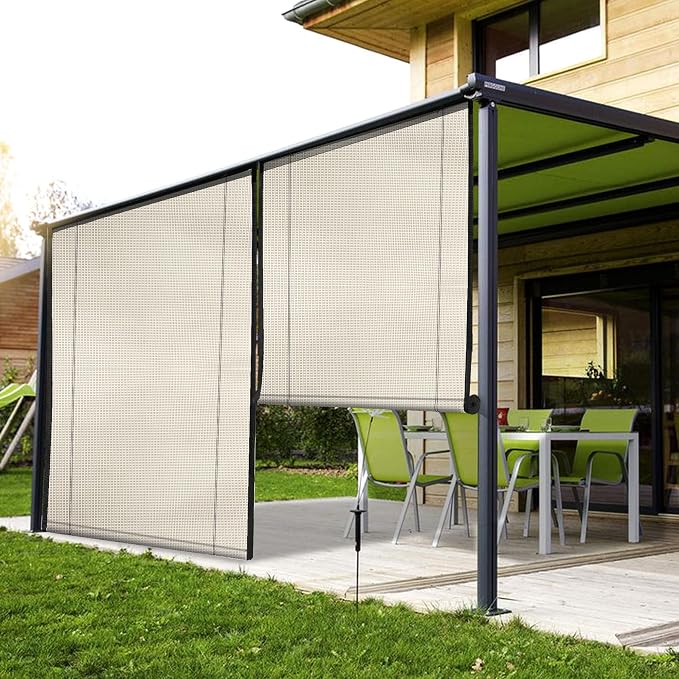
Delhi is one of the hardest cities in India to live in comfortably — and your windows are ground zero for it. Summer temperatures regularly cross 45°C, west-facing glass turns into a heat radiator by afternoon, post-monsoon dust storms settle a fine film on every surface, and Diwali smoke plus year-round ultraviolet slowly fades floors, furniture and art.
Most blinds are chosen for looks first and climate second — which is why so many Delhi homes end up with fabrics that yellow, mechanisms that jam in humidity and windows that still feel like ovens at 3 PM. This guide explains the three climate challenges every Delhi NCR home faces, and which blind types and fabrics actually solve them.
The good news: modern blind fabrics are engineered for exactly these conditions. You do not need to choose between style and performance — you need to know which problems matter most in your rooms, and match the right blind to each one.
Delhi's Three Window Enemies: Heat, Dust and UV
Every window in a Delhi home fights the same three battles. First is solar heat — direct sunlight through glass can raise indoor temperatures dramatically, forcing your AC to work harder and inflating electricity bills through the peak months. Second is particulate dust — Delhi's dry summer air, construction dust and post-Diwali smog leave a fine grey film that settles into fabric weaves and is genuinely hard to clean. Third is ultraviolet — the UV that streams through unprotected glass fades wooden floors, leather sofas, curtains and artwork within a few seasons.
Standard "decorative" blinds address none of these well. A plain light-filtering fabric lets most heat and UV through, traps dust in its weave and offers no protection for your interiors. The fix is choosing blinds by function first — solar control for heat, tight weaves for dust, dense or coated fabrics for UV.
Solar Heat: Surviving the 45°C Summer
The biggest climate challenge in Delhi NCR is heat gain. South and west-facing windows absorb the most sun — by late afternoon a west-facing window can feel like a radiator, and the heat stored in glass keeps radiating indoors long after sunset. Rooms with large glass areas — living rooms, balconies, top-floor bedrooms — suffer the most.
Sunscreen and solar-control fabrics are purpose-built for this: their tight technical weaves block a large share of solar radiation while still preserving outward views and daylight. Darker and tighter weaves reject more heat; openness factors around 1–5% are the sweet spot for glare and heat control without making rooms feel closed in.
For maximum heat defense, pair sunscreen fabrics with reflective or metalized backings that push absorbed heat back outside rather than letting it radiate into the room. On very large west-facing glass — balcony sliding doors, floor-to-ceiling windows — motorized operation lets you drop the blind before the afternoon sun hits, without thinking about it.
-
Best for heat
Sunscreen blinds with 1–5% openness, reflective backings, and dark tight weaves
-
Where it matters most
West and south-facing windows, top floors, balconies, large glass facades
-
Bonus
Lower AC load through May–July — the blinds pay for themselves in comfort
Dust & Smog Season: The Post-Monsoon Reality
Delhi's dust problem is seasonal but intense. Pre-monsoon heat and post-monsoon dry spells kick up fine particulate that coats everything — and blinds with loose, fluffy weaves act like dust magnets. Standard fabric blinds need frequent vacuuming, and once dust works into the mechanism it can cause the blind to stick or run unevenly.
The practical answer is fabric choice and cleanability. PVC-coated and tightly woven polyester fabrics shed dust instead of trapping it and wipe clean with a damp cloth in seconds — no removal, no washing, no professional cleaning. Honeycomb and pleated blinds with sealed edges keep dust out of the mechanism entirely.
For windows you open often — balconies, kitchen windows, bedrooms that need night ventilation — mosquito mesh is the climate-smart pairing: it lets fresh air in while keeping dust, insects and PM2.5-level pollution out. Many Delhi homes now combine a sunscreen blind for day sun control with mesh for ventilation.
-
Best for dust
PVC-coated fabrics, tight polyester weaves, wipeable surfaces
-
Mechanism protection
Honeycomb and pleated styles with sealed edges resist dust ingress
-
Ventilation pairing
Mosquito mesh for open windows — fresh air without dust and insects
UV Damage: Fading Floors, Furniture and Art
Ultraviolet radiation passes through glass and silently damages everything it touches. Wooden and laminate flooring fades and dulls, leather sofas dry and crack, curtains and upholstery bleach unevenly, and artwork or photographs behind unprotected windows can be ruined within a few summers. Delhi's high altitude and clear winter skies make UV exposure worse, not better.
Blackout and dense solar fabrics are the strongest UV defense — a quality blackout blind blocks the vast majority of UV along with visible light. Sunscreen fabrics with tighter weaves also cut UV significantly while keeping views open. For rooms with valuable interiors — living rooms with wooden floors, studies with books, art-display walls — UV-rated fabrics are worth the upgrade.
Roman and wooden blinds add a secondary benefit: their folded or slatted structure lets you tilt light precisely, so you can admit daylight while blocking the direct UV beam hitting your furniture.
-
Best for UV
Blackout fabrics for total protection; tight-weave sunscreen for view + protection
-
Protects
Wooden floors, leather furniture, artwork, upholstery and curtains
-
Tip
UV protection works even when the blind is partially open — keep it deployed during peak sun hours
Matching Blind Types to Delhi's Problems
The right blind depends on which climate problem dominates each room. South and west-facing living rooms need solar heat rejection first. Bedrooms need darkness plus UV protection for sleep quality and furniture. Balconies and kitchens need dust-friendly fabrics and ventilation pairing. Home offices need glare control that keeps screens usable.
Motorized operation ties it all together — schedule blinds to deploy before peak sun, group them by façade so the whole west side responds at once, and never think about dusting or adjusting them manually again.
-
West/south living rooms
Sunscreen or solar-reflective fabrics; motorized for afternoon scheduling
-
Bedrooms
Blackout roller or double-roller blinds — darkness, UV block and dust resistance
-
Kitchens & bathrooms
PVC-coated wipeable fabrics that handle steam, grease film and humidity
-
Balconies & wide glass
Vertical or sunscreen blinds for large openings, paired with mosquito mesh
-
Home offices
Zebra or sunscreen blinds — glare control without losing daylight
-
Heritage & premium homes
Roman and wooden blinds for UV protection with a warm, architectural finish
Motorized Blinds: Beating the Heat Before It Hits
Delhi's heat arrives on a schedule — and motorized blinds can run on one too. Program west-facing blinds to close at 11 AM before the afternoon sun peaks, open east-facing ones at sunrise, and group entire façades so one command adjusts every window in the room. Smart-home integration means the blinds respond to your routine automatically.
Beyond convenience, scheduled deployment is genuinely more effective for heat and UV: a blind that drops before the sun hits rejects heat before it enters the room, rather than cooling down an already-heated space. For homes that stay empty during the day — offices, second homes, rental properties — motorized blinds keep interiors protected even when nobody is home to adjust them.
LA KREO installs motorized roller, zebra, venetian, vertical, honeycomb and roman blinds with remote, wall-switch or smart-home control across Delhi NCR. If your windows face the harsh afternoon sun, a motorized sunscreen or blackout system is the single most effective upgrade for summer comfort.
Frequently Asked Questions
Do blinds really reduce heat in a Delhi home?
Yes — solar-control and sunscreen fabrics block a significant share of solar radiation before it enters the room, especially on west and south-facing windows. Darker, tighter weaves and reflective backings perform best. Pairing them with motorized scheduling maximizes the effect by deploying blinds before peak sun.
Which blinds are best for dusty Delhi air?
PVC-coated and tightly woven polyester fabrics resist dust and wipe clean with a damp cloth. Honeycomb and pleated blinds with sealed edges keep dust out of the mechanism. For windows you open frequently, pair with mosquito mesh for ventilation without dust and insects.
Do blinds protect furniture from sun damage?
Yes — dense blackout fabrics block most UV along with visible light, while tight-weave sunscreen fabrics cut UV significantly while preserving views. For rooms with wooden floors, leather furniture or artwork, UV-rated blinds are one of the most cost-effective protection measures available.
Are motorized blinds worth it for Delhi's heat?
For homes with large west-facing windows or regular daytime absence, yes — scheduled motorized blinds deploy before peak sun hits, rejecting heat before it enters rather than cooling down afterward. They also eliminate manual adjustment for hard-to-reach windows.
What blinds suit west-facing windows in Delhi?
Sunscreen blinds with 1–5% openness and reflective or dark backings are the best choice — they cut glare and solar heat while preserving outward views. For bedrooms, blackout roller or double-roller blinds provide darkness plus UV protection. Motorized operation is recommended for automated afternoon deployment.
How do blinds handle monsoon humidity?
Aluminium venetian, PVC-coated roller and faux-wood blinds handle humidity well. Real fabric blinds and solid timber can absorb moisture and warp or grow mildew in poorly ventilated rooms — we recommend moisture-resistant materials for kitchens, bathrooms and ground-floor units.
Written by
Ajay Arora — Founder, LA KREO
Ajay Arora is the founder of LA KREO, a Delhi NCR-based interior products company. With hands-on experience across blinds, flooring and wall solutions, he oversees product selection, fabrication and installation for residential and commercial clients.
- Founder & Director, LA KREO
- Interior products & installation specialist
- Delhi NCR service area — Delhi, Gurgaon, Noida, Greater Noida, Ghaziabad
Products Mentioned in This Guide
Explore the blinds and interior solutions referenced above — custom-made to your measurements across Delhi NCR.

Sunscreen Blinds
Precision sun control that blocks glare and heat while keeping your view intact.
View product
Blackout Blinds
Near-total darkness for better sleep — the bedroom essential done properly.
View product
Motorized Blinds
Push-button convenience — raise, lower and tilt blinds without lifting a finger.
View product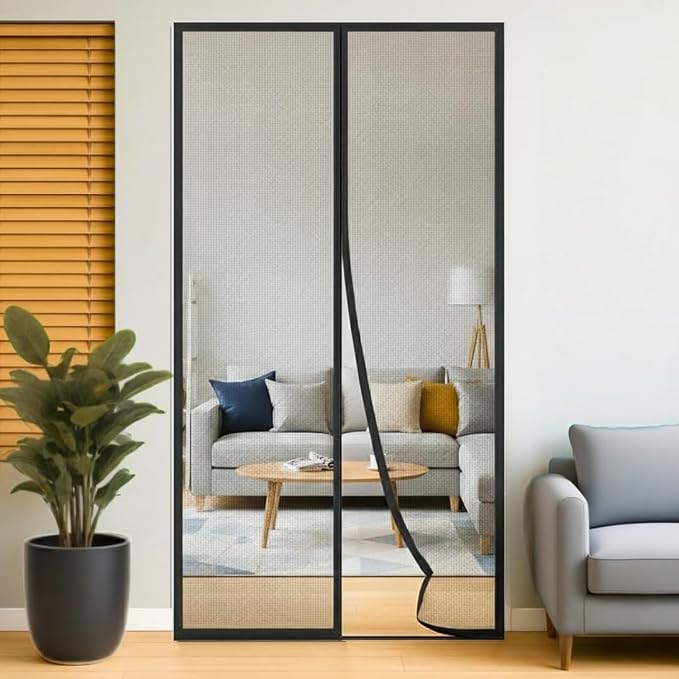
Mosquito Mesh
Invisible insect protection — keep mosquitoes and pests out while enjoying fresh air.
View product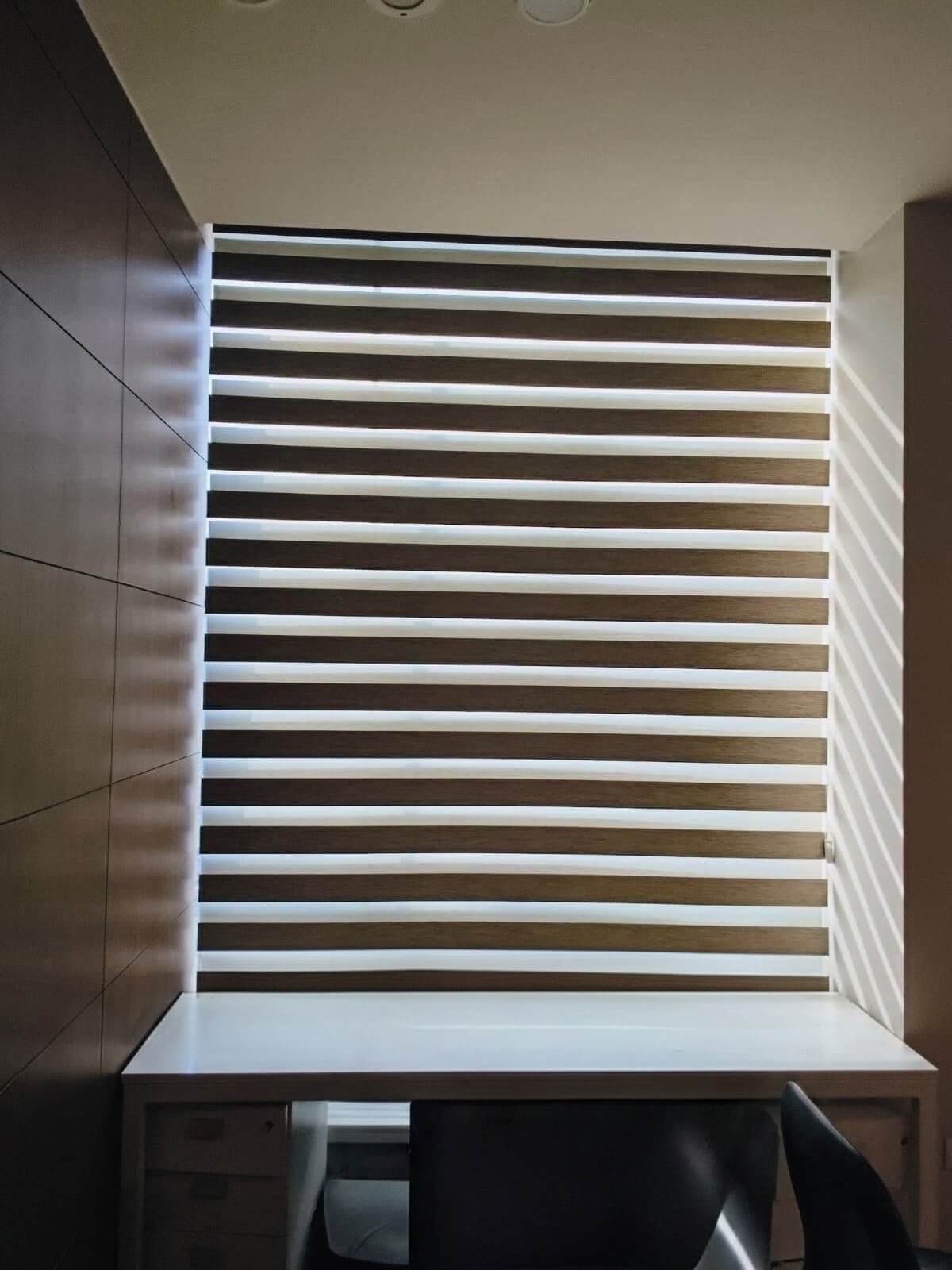
Zebra Blinds
Two fabrics in one blind — slide between sheer daylight and soft privacy in seconds.
View product