
Buying Guide
Wooden vs Aluminium Venetian Blinds: Honest Comparison
Real timber slats vs aluminium slats — durability, moisture, light control, cost and which one suits which room in your home.
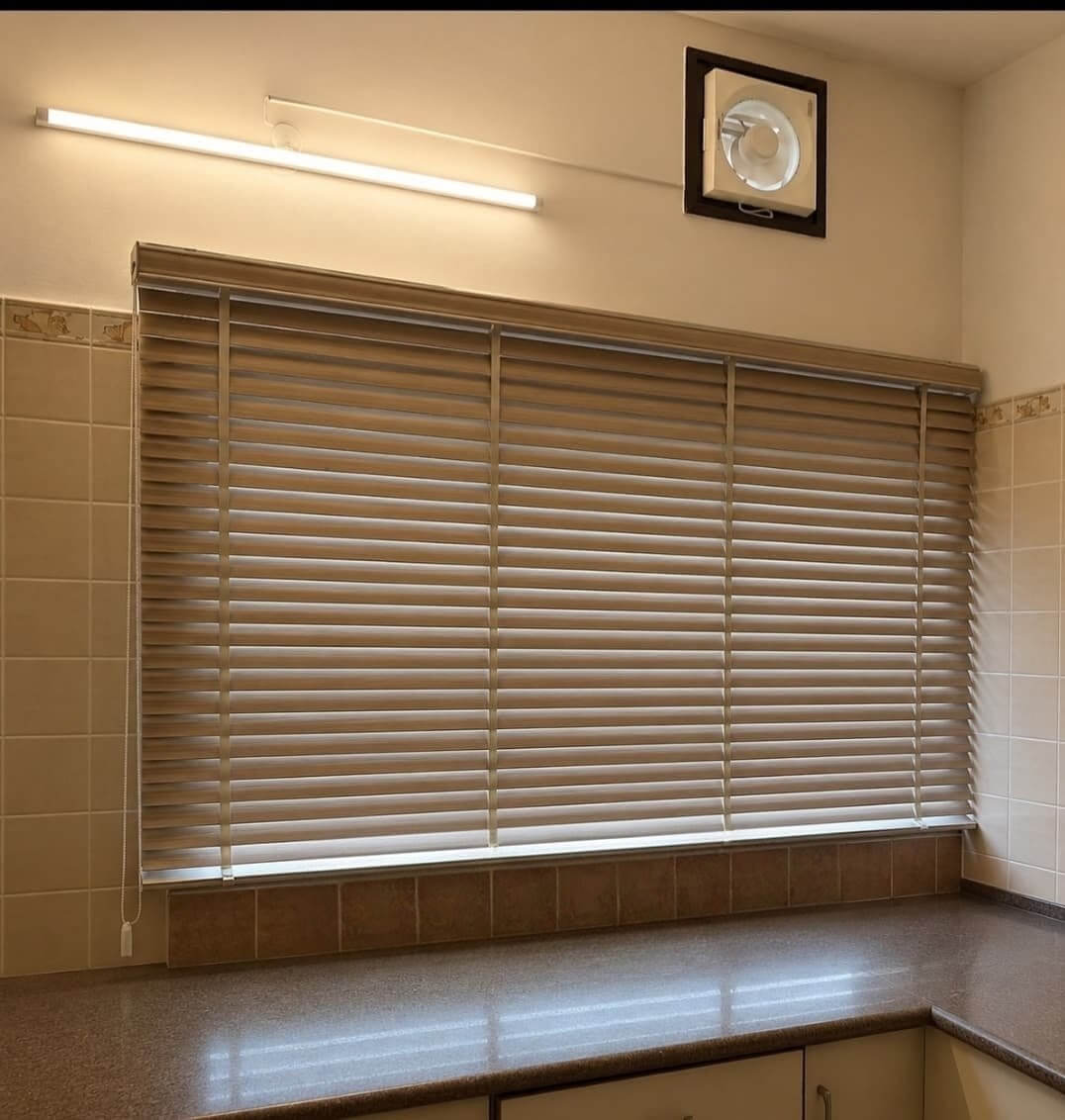
Venetian blinds come in two fundamentally different materials: real timber slats and aluminium slats. Both use the same tilt-and-lift mechanism principles, both offer directional light control, and both look excellent when installed well. But they are not interchangeable — the material choice affects durability, moisture resistance, light performance, maintenance and cost in ways that matter room by room.
The short answer: aluminium venetian blinds are the practical choice for most Indian homes — moisture-resistant, lighter, more precise light control and lower maintenance. Wooden venetian blinds are the aesthetic choice for premium interiors where the warmth of natural timber justifies the extra care.
This comparison breaks down where each material genuinely wins — and where the marketing oversells — so you can choose based on your actual rooms, not just preference.
The Material Difference
Aluminium venetian blinds use slats extruded from aluminium — lightweight, rigid, impervious to moisture and available in powder-coated colours that resist fading. The slats are thin (typically 0.2–0.3mm) but structurally stiff, which is why they tilt precisely and stay flat over years of use.
Wooden venetian blinds use genuine timber slats — typically basswood, beech or similar hardwoods — cut, sanded and finished with stain or lacquer. Each slat carries natural grain variation, which is the entire point: no synthetic material replicates the depth and warmth of real wood. The tradeoff is weight, moisture sensitivity and the need for occasional reconditioning in harsh environments.
-
Aluminium slats
Extruded, powder-coated, moisture-proof — consistent colour and finish
-
Wooden slats
Real timber — natural grain, warmth, each slat slightly unique
-
Slat rigidity
Aluminium is stiffer per weight — stays flat and precise under tilt
-
Finish options
Aluminium: powder-coat colours. Wood: stains, lacquers, paints
Moisture and Humidity: The Deciding Factor
This is the most practical difference for Indian homes. Bathrooms, kitchens and balconies have humidity cycles that wood handles poorly — repeated moisture exposure causes slats to warp, swell, cup or crack over time. Even with quality lacquer finishes, wood is never truly moisture-proof.
Aluminium slats are impervious to moisture — they can be wiped down, tolerate steam and humidity, and will not warp. For any window near water, steam or heavy humidity, aluminium is not just better — it is the only correct choice. Wooden blinds belong in dry, climate-controlled interior spaces.
-
Bathrooms & kitchens
Aluminium only — wood warps with humidity cycles
-
Balconies & outdoor-facing
Aluminium — handles weather exposure and cleaning
-
Bedrooms & living rooms
Either works — wood adds warmth, aluminium adds precision
-
AC-heavy rooms
Either — but wood benefits from stable humidity
Light Control and Privacy
Both materials tilt through the same angular range and offer equivalent directional light control — angle the slats to admit light from above while blocking sightlines, or close them fully for privacy. The difference is in the slat surface: aluminium's smooth powder-coat reflects light cleanly, while wood's textured grain diffuses it slightly.
Aluminium slats typically come in narrower widths (16mm and 25mm common) which allow finer light adjustment — you can set smaller angles for more granular control. Wooden slats are usually wider (50mm standard) which gives a bolder look but coarser light bands. For precision glare control on screens or detailed light sculpting, aluminium's narrower slats edge ahead.
-
Light precision
Aluminium narrow slats allow finer angular control
-
Light diffusion
Wood grain softens light slightly — warmer, less clinical
-
Privacy
Equivalent — both tilt to block sightlines directionally
-
Slat widths
Aluminium: 16/25mm typical. Wood: 50mm typical — wider = bolder, coarser bands
Durability, Maintenance and Cost
Aluminium venetian blinds are essentially maintenance-free — dust wipes off, moisture is irrelevant, and the powder-coat finish resists scratches and UV fading. They typically outlast wooden blinds in the same conditions because there is no organic material to degrade.
Wooden blinds need more care — occasional dusting with a soft cloth, avoidance of moisture, and re-lacquering if the finish dulls after years of sun exposure. They also cost more: real timber, hand-finishing and the premium positioning all add to the price. Aluminium delivers the same mechanism quality at a lower price point.
For rental properties, offices and high-traffic areas, aluminium venetian blinds are the practical choice — they withstand handling, cleaning and humidity without degrading. Reserve wooden blinds for owner-occupied premium interiors where the aesthetic justifies the care.
Which Should You Choose? Room-by-Room
The honest answer is that most homes benefit from both — aluminium where function dominates, wood where aesthetics lead. Kitchens, bathrooms, offices and rental properties should always be aluminium. Bedrooms, living rooms and dining areas in owner-occupied premium homes are where wooden blinds earn their premium.
If you are deciding for a single window, ask what the room needs to do. If it needs to handle moisture, frequent cleaning or heavy use — aluminium. If it needs to look expensive and feel warm — wood. If it needs both — there is no compromise material; choose per room.
-
Choose aluminium for
Kitchens, bathrooms, offices, rentals, high-traffic areas, budget-conscious projects
-
Choose wood for
Premium living rooms, bedrooms, dining areas — dry interior spaces
-
Both in one home
Common and recommended — function where needed, beauty where wanted
-
Never wood for
Bathrooms, kitchens, balconies — moisture will damage it
Frequently Asked Questions
Are wooden venetian blinds worth it?
For premium interior spaces where aesthetics matter — yes, the warmth and character of real timber justify the cost and maintenance. For functional spaces like kitchens, bathrooms and offices, aluminium is the better value.
Can wooden blinds be used in bathrooms?
Not recommended — even with lacquer finishes, wood warps and cracks with repeated humidity exposure. Aluminium venetian blinds are the correct choice for bathrooms and other wet areas.
Which is more durable — wood or aluminium venetian blinds?
Aluminium is more durable in most conditions — it is impervious to moisture, lighter, and the powder-coat finish resists scratches and UV. Wood is durable in dry, stable environments but vulnerable to humidity and requires more maintenance.
Do wooden and aluminium venetian blinds look different?
Yes — aluminium has a smooth, modern, slightly reflective surface; wood has natural grain, warmth and texture that cannot be replicated. Aluminium suits contemporary and minimalist interiors; wood suits warm, traditional and luxury aesthetics.
Which venetian blind is cheaper?
Aluminium venetian blinds are typically 30–50% cheaper than wooden equivalents at the same size — the material cost, manufacturing process and positioning all differ. Aluminium delivers the same mechanism quality at a lower price.
Can I mix wooden and aluminium venetian blinds in one home?
Yes — and it is recommended. Use aluminium in kitchens, bathrooms and offices; wood in living rooms and bedrooms. Matching finishes across materials is possible but not necessary — each room should get the material that suits its function.
Do wooden venetian blinds fade in sunlight?
Yes — prolonged direct sun exposure fades wood finishes over time, especially lighter stains. UV-protective lacquers help but do not eliminate fading. South and west-facing windows will show more fade than north-facing ones.
Which slat width is better — 25mm or 50mm?
25mm aluminium slats offer finer light control and suit smaller windows; 50mm wooden slats give a bolder look and suit larger windows. The choice depends on window size and aesthetic preference — narrower slats for precision, wider for statement.
Written by
Ajay Arora — Founder, LA KREO
Ajay Arora is the founder of LA KREO, a Delhi NCR-based interior products company. With hands-on experience across blinds, flooring and wall solutions, he oversees product selection, fabrication and installation for residential and commercial clients.
- Founder & Director, LA KREO
- Interior products & installation specialist
- Delhi NCR service area — Delhi, Gurgaon, Noida, Greater Noida, Ghaziabad
Products Mentioned in This Guide
Explore the blinds and interior solutions referenced above — custom-made to your measurements across Delhi NCR.
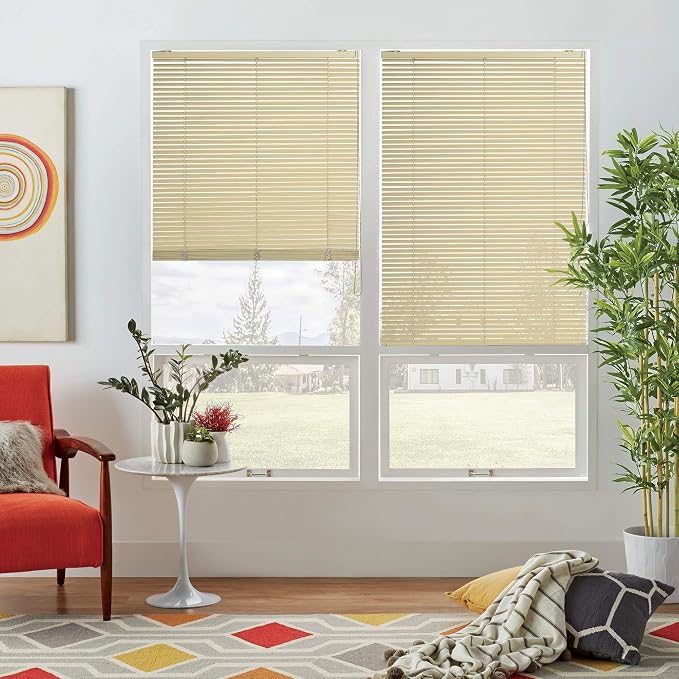
Venetian Blinds
Precision aluminium slats that tilt for exact light control — the classic choice for offices and homes.
View product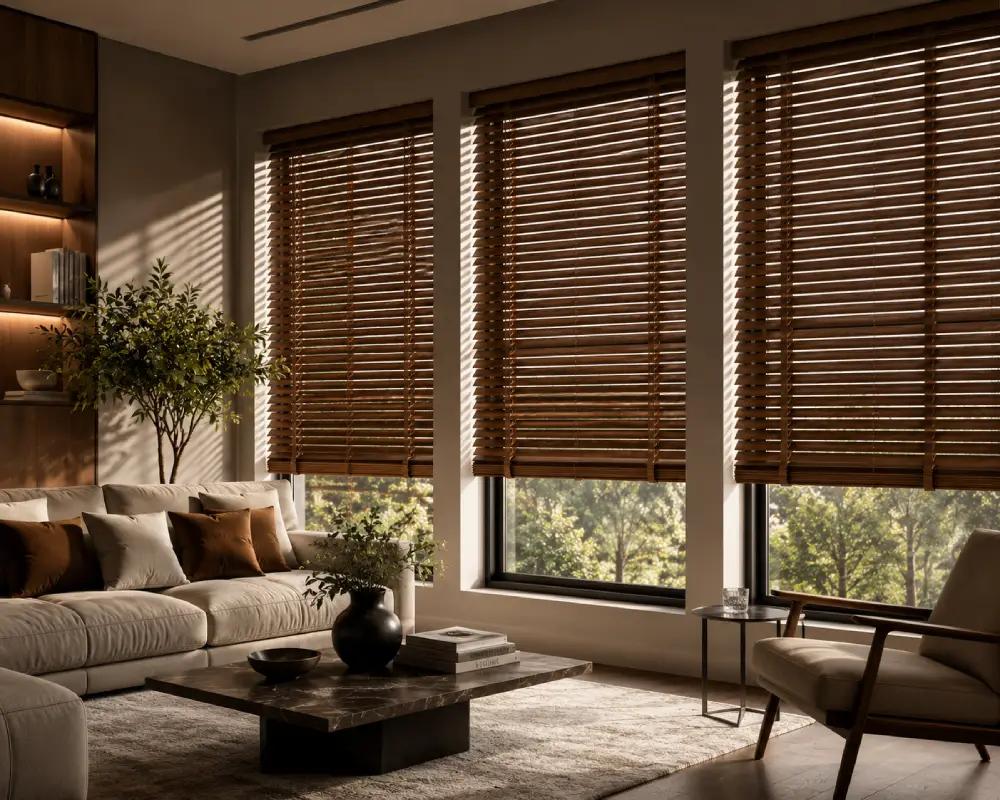
Wooden Blinds
Real timber slats that bring warmth and prestige — the premium choice for discerning interiors.
View product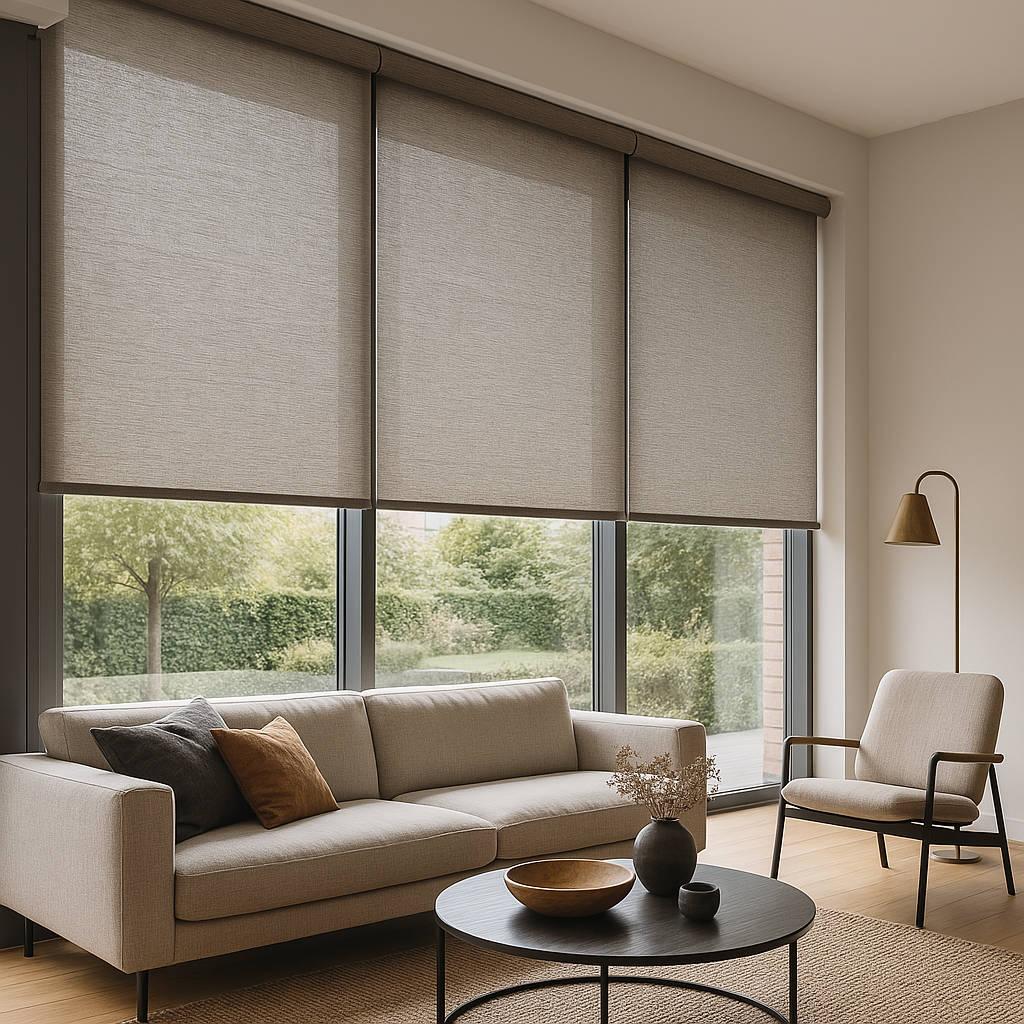
Roller Blinds
Clean lines, precise light control and effortless operation — the most versatile window treatment for modern Indian homes.
View product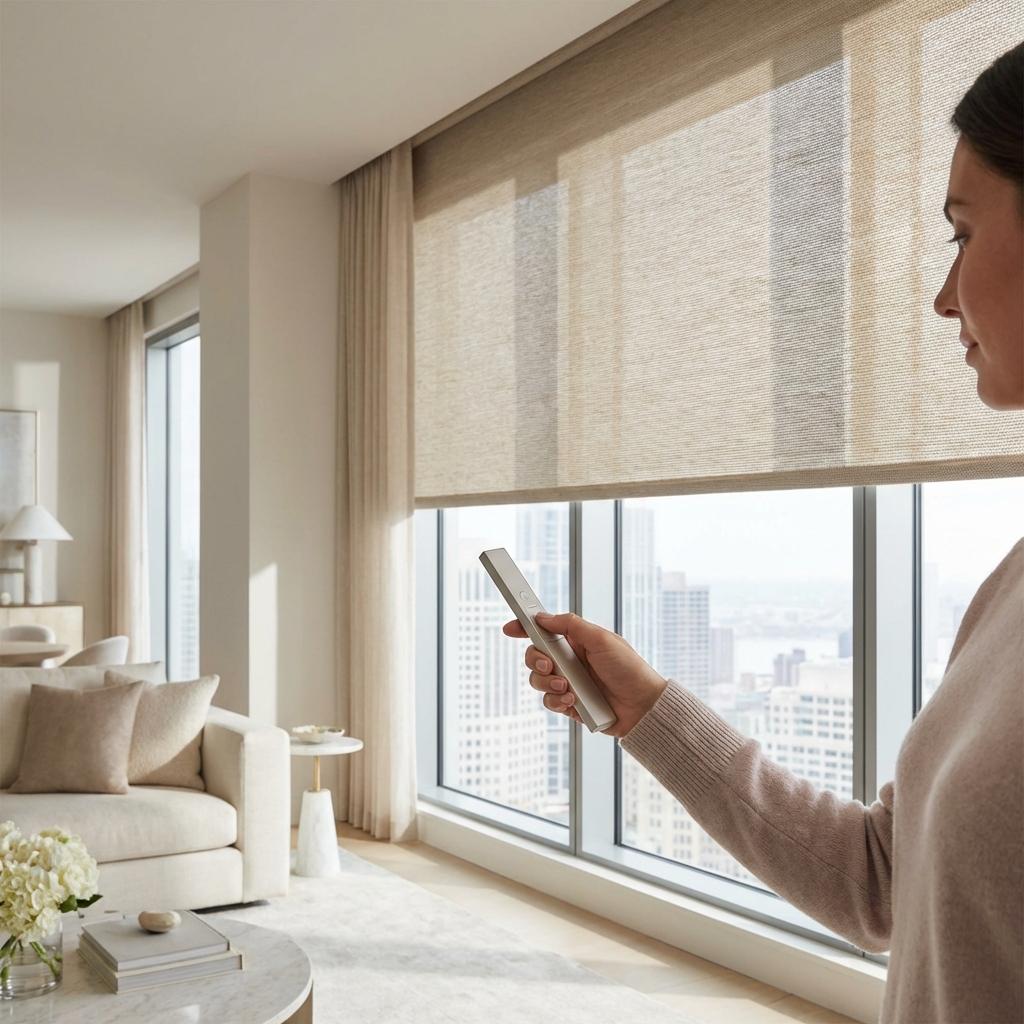
Motorized Blinds
Push-button convenience — raise, lower and tilt blinds without lifting a finger.
View product