
Buying Guide
Chain, Cordless & Motorized Blinds: How Each Mechanism Works
How chain-driven, cordless spring and motorized blind mechanisms actually work — safety, convenience and which one suits which window and budget.
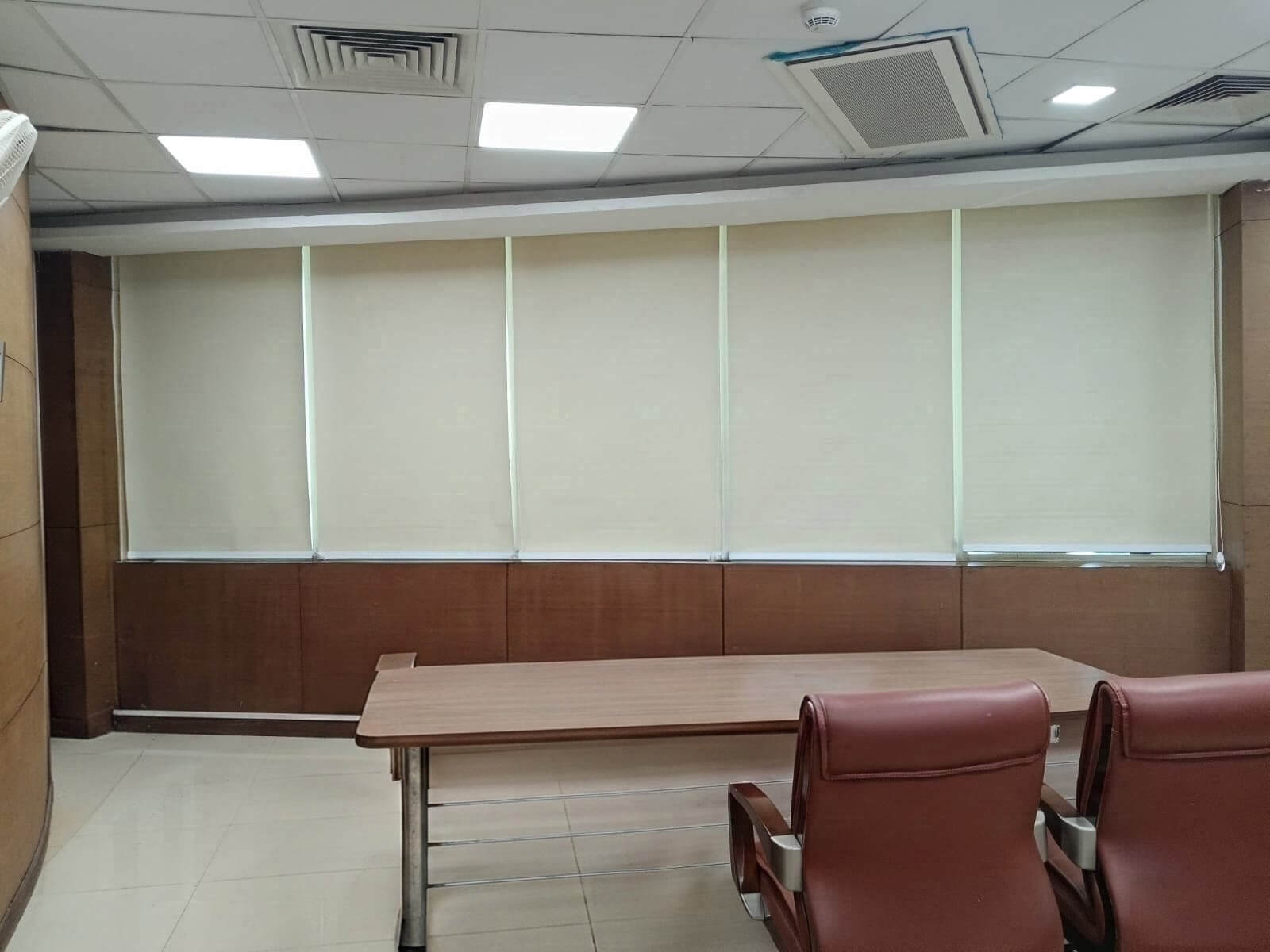
The fabric gets the attention, but the mechanism is what you touch every day — and what determines safety, convenience and how the blind feels to operate for the next decade. Chain, cordless and motorized blinds look similar hanging on a window but work on completely different principles.
Understanding how each mechanism operates helps you choose correctly the first time — especially for homes with children, wide or high windows, and smart-home setups. This guide breaks down all three honestly, including where each one falls short.
Quick verdict upfront: chain operation is the most economical and repairable, cordless spring is the safest manual option for kids' rooms, and motorized is the right answer for wide, high or hard-to-reach windows — and the only option for true smart-home integration.
Why the Mechanism Matters More Than You Think
A blind mechanism is a precision component that cycles thousands of times over its life. Cheap mechanisms develop skew — the fabric starts riding higher on one side. Poor-quality springs lose tension and the blind won't stay where you leave it. Underpowered motors strain on wide blinds and burn out early.
The mechanism also determines your daily experience: a smooth chain that operates with one finger versus a cord that tangles, a spring that holds position versus one that drifts, a remote that works from the sofa versus a pole you must fetch for a high window. These differences compound over years of daily use.
-
Daily effort
One-finger operation vs tugging, reaching or fetching tools
-
Safety
Loose cords are a strangulation hazard for children — cordless removes them entirely
-
Durability
Quality mechanisms cycle smoothly for years; cheap ones skew and fail
-
Reach
High, wide or awkward windows often need motorization to be practical
-
Smart home
Only motorized blinds integrate with apps, remotes, schedules and voice
Chain-Operated Blinds: The Economical Standard
The chain mechanism is the original and still the most common — a beaded chain looped through a geared clutch inside the cassette. Pull one side to lower the blind, the other to raise it; the gear ratio gives you controlled, precise positioning. It is simple, robust, cheap to produce and easy to repair.
The limitations are practical, not functional. The chain hangs loose — a genuine child-safety consideration that requires tensioning devices or wall clips. And for wide or high windows, reaching and operating a long chain gets awkward. For standard windows in adult households, chain operation remains the best value in the market.
-
How it works
Beaded chain drives a geared clutch — pull to raise/lower with precise stop anywhere
-
Pros
Most affordable, simplest mechanism, easy to service, precise positioning
-
Cons
Loose chain needs child-safety tensioning; awkward on very wide/high windows
-
Best for
Standard windows, budget-conscious projects, rentals, adult households
-
Cost
Baseline operation cost — the reference point all others price against
Cordless Spring Operation: The Safe Manual Option
Cordless blinds replace the chain with an internal torsion spring inside the tube — you lift or lower the bottom rail directly and release it at your desired height; the spring holds position. There are no dangling cords at all, which makes this the safest manual option for homes with children and pets.
The tradeoff is in the spring itself. Springs are precision components — quality ones hold position reliably for years, but cheaper springs gradually lose tension, causing the blind to drift or refuse to stay at intermediate heights. For standard-width windows the mechanism is excellent; on very wide blinds the spring works harder and quality matters more.
-
How it works
Internal torsion spring holds the fabric at any height — push up or pull down, release to lock
-
Pros
Zero cords — safest for children/pets, clean minimal look, no wall clips needed
-
Cons
Spring quality varies — cheap springs drift or lose tension over time
-
Best for
Kids' and babies' rooms, pet-friendly homes, cord-free aesthetic preference
-
LA KREO note
We fit quality spring mechanisms — tell us if drift is a concern on wide windows
Motorized Operation: Convenience and Reach
Motorized blinds replace manual operation entirely — a quiet tubular or geared motor inside the cassette drives the fabric, controlled by remote, wall switch, phone app or smart-home integration. For wide picture windows, high clerestory windows, sliding doors and hard-to-reach glazing, motorization is not a luxury — it is the only practical option.
Modern motorized systems are quiet, reliable and increasingly affordable as volumes grow. Most run on standard 230V power via a discreet adapter, though hardwired and battery options exist for positions far from sockets. Group control — operating several blinds from one remote or scene — is where motorization genuinely transforms daily living.
-
Controls
Remote, wall switch, smartphone app, voice assistants, scheduled automation
-
Pros
Effortless operation, ideal for wide/high/awkward windows, smart-home ready, no cords
-
Cons
Highest cost, needs power (adapter or wiring), motor adds cassette depth
-
Power options
Plug-in 230V adapter standard; hardwired or battery options on request
-
Best for
Wide windows, high windows, sliding doors, smart homes, accessibility needs
Head-to-Head: Which Mechanism for Which Window
There is no universally best mechanism — the right choice depends on window size, who uses the room and budget. Chain wins on cost and simplicity. Cordless spring wins on child safety without electronics. Motorized wins on reach, convenience and integration. Most homes end up mixed — motorized on the problem windows, chain or cordless on the rest.
For Delhi NCR homes, the practical pattern we see most: motorized on wide living room windows and sliding doors, cordless on children's rooms, chain on secondary rooms and rentals where cost matters. This hybrid approach gets 90% of the benefit without motorizing every window.
-
Cheapest
Chain operation — baseline cost
-
Safest for kids
Cordless spring or motorized — zero hanging cords
-
Best for wide windows
Motorized — chain becomes impractical past ~2.5m
-
Best for high windows
Motorized — no reaching or poles needed
-
Smart home ready
Motorized only — app, schedules, voice control
-
Easiest to repair
Chain — simplest mechanism, widely serviceable
Child Safety: The Non-Negotiable Check
Loose blind cords are a recognised child-safety hazard — entanglement and strangulation risk is why cordless and motorized options exist. If your home has children or grandchildren visiting, any chain-operated blind must include proper tensioning devices or wall clips that keep the chain taut and out of reach.
Cordless spring and motorized blinds eliminate the hazard entirely — no cords anywhere in the system. For new installations in family homes, we recommend cordless or motorized as standard and reserve chain operation for adult-only spaces or strict budgets. Safety retrofits — tensioners, cleats, cord shorteners — are available for existing chain blinds.
Frequently Asked Questions
What is the difference between chain and cordless blinds?
Chain blinds use a beaded chain looped through a geared clutch — you pull to operate. Cordless blinds use an internal torsion spring — you push the bottom rail directly and it holds position. Cordless has no dangling cords (safer for kids); chain is cheaper and easier to service.
Are cordless blinds reliable?
Yes — quality cordless mechanisms hold position reliably for years. The risk is cheap springs losing tension and letting the blind drift. LA KREO fits quality spring mechanisms; for very wide windows we may recommend motorized instead where spring strain is higher.
When do I need motorized blinds?
When windows are wide (roughly 2.5m+), high, or physically hard to reach — and whenever you want app, remote, scheduled or voice control. Motorized is the only option for true smart-home integration. For standard reachable windows, manual mechanisms are more economical.
Are motorized blinds worth the extra cost?
For problem windows — yes, unambiguously. A motorized blind on a 3-metre picture window or a high clerestory is the difference between usable and unusable. For standard bedroom windows, the convenience is real but the value is lower — many homes motorize selectively.
Can motorized blinds work without WiFi?
Yes — basic motorized blinds work with a physical remote or wall switch with no internet needed. App control, scheduling and smart-home integration require WiFi or a hub, but the blinds function fully without it.
Do chain blinds need child safety devices?
Yes — any loose blind cord in a home with children needs tensioning devices or wall cleats that keep it taut and out of reach. Modern safety standards require these. Cordless and motorized blinds eliminate the need entirely.
Which blind mechanism lasts longest?
Chain mechanisms are mechanically simplest and most serviceable — they can last decades with basic maintenance. Quality cordless springs and motors also last years, but have more precision components that can eventually need replacement. Motorized blinds typically carry the best warranty coverage on the mechanism.
Can I add motorization to existing blinds?
Usually not retroactively — motorization is built into the cassette at manufacture. If your existing blinds need motorizing, replacement is the practical route. We can advise whether your window situations justify it during a consultation.
Do motorized blinds need electricity?
Yes — they need power, typically via a plug-in 230V adapter near the window. Hardwired options exist for new construction or renovation. Battery-powered motorized options are available for positions far from sockets.
Written by
Ajay Arora — Founder, LA KREO
Ajay Arora is the founder of LA KREO, a Delhi NCR-based interior products company. With hands-on experience across blinds, flooring and wall solutions, he oversees product selection, fabrication and installation for residential and commercial clients.
- Founder & Director, LA KREO
- Interior products & installation specialist
- Delhi NCR service area — Delhi, Gurgaon, Noida, Greater Noida, Ghaziabad
Products Mentioned in This Guide
Explore the blinds and interior solutions referenced above — custom-made to your measurements across Delhi NCR.
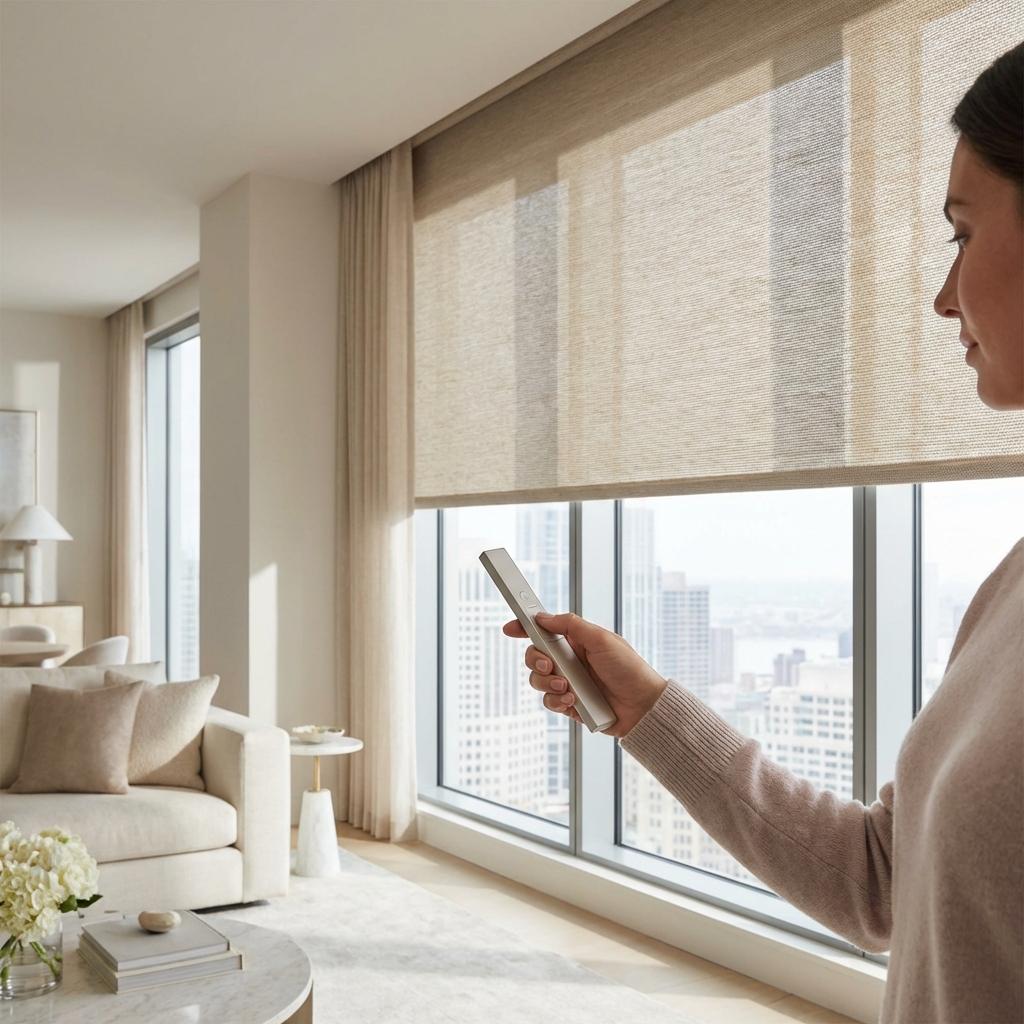
Motorized Blinds
Push-button convenience — raise, lower and tilt blinds without lifting a finger.
View product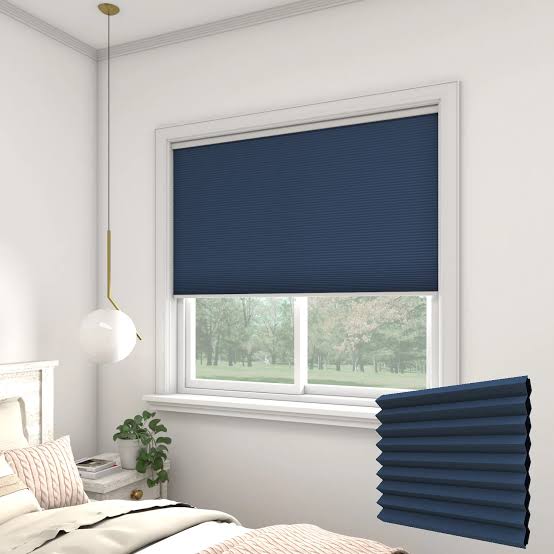
Cordless Blinds
No dangling cords — clean, safe operation for homes with children and pets.
View product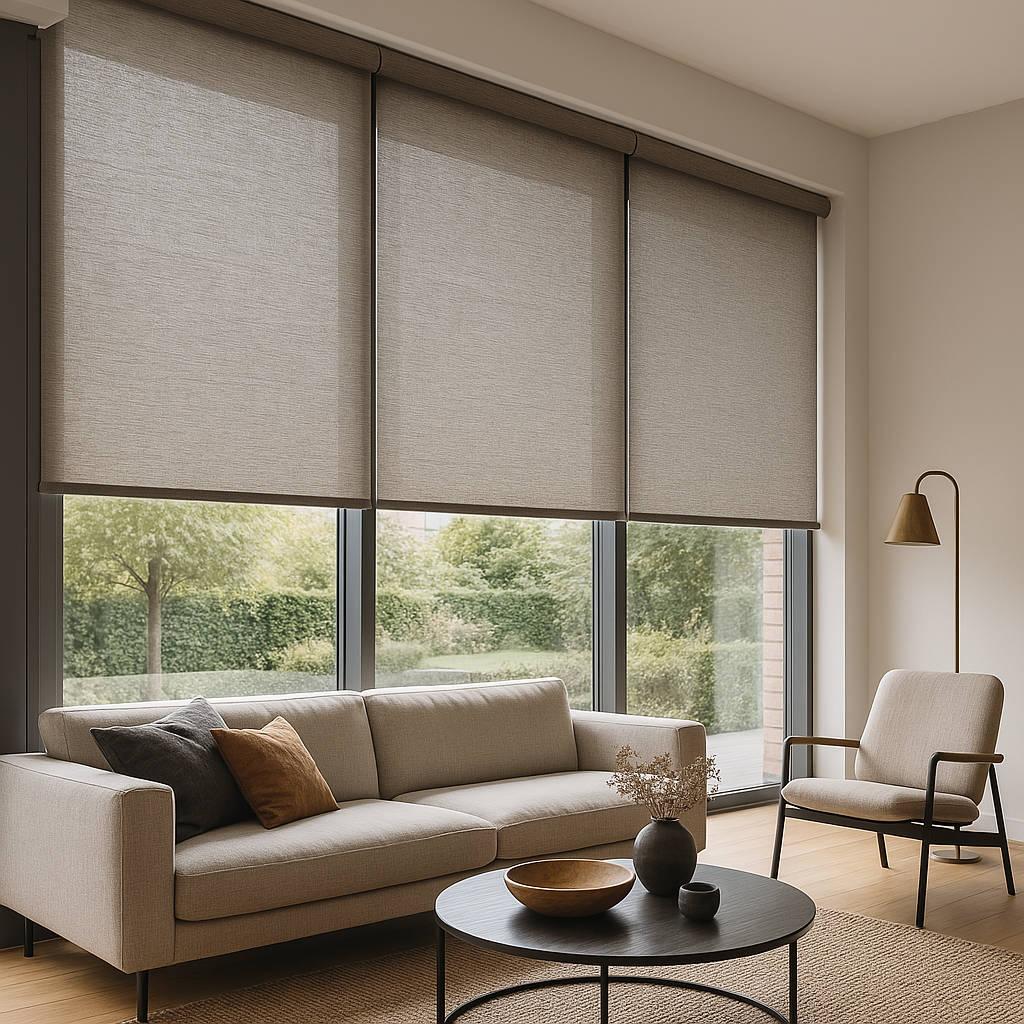
Roller Blinds
Clean lines, precise light control and effortless operation — the most versatile window treatment for modern Indian homes.
View product
Zebra Blinds
Two fabrics in one blind — slide between sheer daylight and soft privacy in seconds.
View product