
Buying Guide
Inside Recess vs Outside Mount Blinds: Which Installation Is Right?
Inside mount or outside mount — the difference changes how your blinds look, seal light and fit your window. How to decide for every window type.
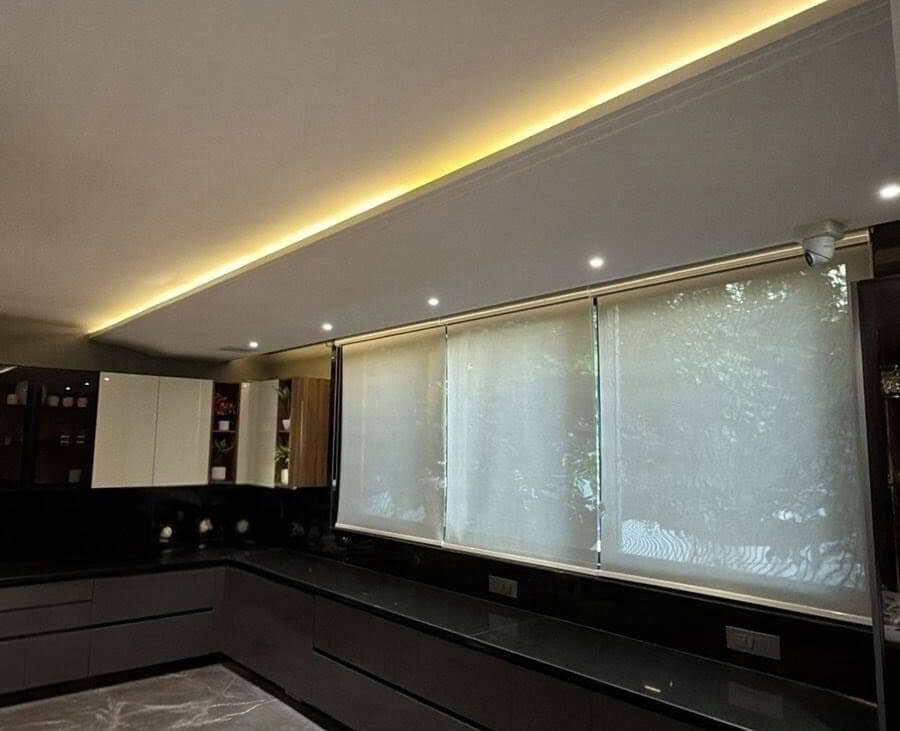
Every blind installation starts with one decision that most homeowners never think about: does the blind sit inside the window recess — within the frame — or mount on the wall outside it? The choice affects how the blind looks, how much light leaks around the edges, and whether it even fits your window.
Get it wrong and you get light gaps, a bulky look or a blind that simply cannot be installed. Get it right and the blind sits clean, seals properly and looks like it was always part of the window. This guide explains both options so you can specify correctly — or let our measurement team decide for you.
Quick verdict upfront: inside recess mounting is the cleaner, more popular choice wherever the recess is deep enough — it gives a flush, built-in look and better sealing. Outside mounting is the fallback for shallow recesses, protruding handles, bay windows and doors where the frame cannot take the cassette.
The Two Mounting Options at a Glance
Inside recess mounting — also called reveal or flush mounting — fixes the blind's brackets inside the window frame, so the cassette and fabric sit within the window opening, flush with or slightly behind the glass line. Outside mounting fixes the brackets to the wall or architrave around the window, so the blind hangs over the frame and overlaps the glass.
The visual difference is significant. Inside-mounted blinds look built into the window — minimal, architectural, like European detailing. Outside-mounted blinds look applied to the wall — slightly more projection, but they can cover the entire glass including the frame edges.
-
Inside recess
Brackets fix within the window frame — flush, minimal, built-in look
-
Outside mount
Brackets fix to wall/architrave — overlaps frame, covers full glass
-
Recess depth needed
Typically 5–8 cm+ clear depth for standard cassettes
-
Light sealing
Inside mount seals better when recess is square; outside overlaps edges
Inside Recess Mounting: The Cleaner Choice
Inside mounting is what most homeowners picture when they think of modern blinds — the cassette disappears into the window reveal, the fabric hangs just in front of the glass, and from the room the window looks uncluttered. It is the preferred option wherever the window allows it.
The requirement is recess depth. The cassette — the aluminium headrail housing the fabric roll — needs clear space within the frame, typically 5–8 cm depending on the blind type and whether side channels are added. uPVC and aluminium windows in modern construction almost always qualify. Older wooden windows with shallow or uneven reveals often do not.
-
Advantages
Flush built-in look, better light sealing, no wall damage, cleaner sightlines
-
Requirements
Sufficient recess depth, reasonably square corners, no protruding handles or hardware
-
Best for
Modern uPVC/aluminium windows, new construction, rental-friendly installs
-
Watch for
Handles, tilt latches, window grilles and uneven reveals reducing usable depth
Outside Mounting: When the Frame Cannot Take It
Outside mounting is not a compromise — it is often the correct engineering choice. When the recess is too shallow for the cassette, when handles or tilt mechanisms protrude into the opening, when the window is a bay or curved shape, or when the frame is too narrow to hold brackets safely, the blind mounts to the wall around the window instead.
The tradeoff is coverage versus clearance. An outside-mounted blind overlaps the frame edges — which actually helps light sealing on uneven windows — but the cassette projects further into the room and the blind covers part of the window frame. For doors and wide openings, outside mounting is frequently the only workable option.
-
Advantages
Works on any window, covers full glass plus frame edge, better sealing on uneven reveals
-
Tradeoffs
Cassette projects into room, covers window frame, slightly busier look
-
Best for
Shallow recesses, protruding handles, bay windows, doors, older wooden frames
-
Note
We add fabric overlap on each side so no light leaks around the blind edges
Window-by-Window Decision Guide
The mounting decision is made per window, not per house — one elevation can have three different answers. Modern uPVC windows with deep, square reveals take inside mounting. The same house's older wooden bathroom window probably needs outside mounting. Bay windows, French doors and windows with protruding hardware almost always go outside.
If you are unsure, the reliable method is simple: measure the clear recess depth and check for obstructions. If the cassette depth plus a small clearance fits inside the frame with nothing protruding, inside mounting works. If not, outside mounting is the answer — and it is a completely normal, professional solution, not a downgrade.
-
uPVC / aluminium, modern
Usually inside mount — deep square reveals
-
Older wooden windows
Often outside mount — shallow or worn reveals
-
Handles / tilt latches
Outside mount, or low-profile inside options where clearance allows
-
Bay / curved windows
Outside mount — recess is rarely usable
-
Doors & wide openings
Outside mount — brackets need wall fixing for load
-
Blackout + side channels
Check channel depth — may push toward outside mount
Light Gaps: Why Mounting Affects Darkness
For bedrooms and media rooms, edge light leak is the difference between "dark" and "actually dark". Inside-mounted blinds seal against the reveal — light can only leak through the fabric itself. Outside-mounted blinds overlap the frame — which seals the perimeter well, but the gap between blind and glass is slightly larger.
For true blackout performance, neither mounting alone is enough — fabric opacity, side channels and correct sizing all matter. Inside mounting with blackout fabric and optional side channels gives the cleanest darkness for bedrooms. Outside mounting works too, especially with the fabric overlap we build in — but side channels are more common with inside installs.
If your priority is a completely dark bedroom, tell us during measurement — we will recommend the mounting and fabric combination (typically inside mount + blackout fabric + optional side channels) that achieves verified darkness rather than approximate darkness.
What Our Installers Check Before Recommending
Mounting is not decided from photographs or guesswork — it is decided on site. During our free measurement visit, installers check recess depth at multiple points (reveals are rarely perfectly uniform), test for protruding handles and hardware, assess the frame material and condition, and verify the wall or architrave can take fixings for outside mounts.
We then recommend the mounting per window with the reasoning — not a blanket "inside for everything" approach. Older Delhi NCR buildings especially have mixed window types within a single flat, and each one gets the mounting that suits it. You see the recommendation before any fabrication begins.
Frequently Asked Questions
What is the difference between inside and outside mount blinds?
Inside mount fixes the blind within the window recess — flush with the glass, minimal look. Outside mount fixes it to the wall around the window — overlaps the frame and covers the full glass. Inside looks cleaner; outside works on any window including shallow recesses and doors.
How much recess depth do blinds need for inside mounting?
Most roller blind cassettes need roughly 5–8 cm of clear recess depth, plus clearance for handles and obstructions. Our installers measure the actual usable depth on site — reveals are rarely uniform, so the smallest point governs.
Is outside mount blinds bad?
No — it is a standard professional solution, not a compromise. It is required for shallow recesses, protruding handles, bay windows and doors. The cassette projects slightly further into the room and covers the window frame, but many windows look perfectly good outside-mounted.
Can blinds be installed without drilling?
Most blinds require fixings — either into the window frame (inside mount) or wall/architrave (outside mount). Some tension or adhesive options exist for lightweight blinds on glass, but they are limited in size and not suitable for most roller, zebra or motorized blinds.
Which mounting is better for blackout blinds?
Inside mounting generally seals better for blackout because the fabric sits within the reveal. However, outside mounting with fabric overlap also achieves excellent darkness — especially on uneven windows. For maximum darkness we add side channels, which work with either mounting type.
Do I need to decide mounting before ordering?
No — and we recommend you don't. Our free site measurement determines the correct mounting per window based on actual recess depth, obstructions and frame condition. You approve the recommendation before fabrication starts.
Can different windows in the same room have different mounting?
Yes — and they often do. A modern uPVC window might take inside mounting while an older wooden window beside it needs outside mounting. We assess each window independently and the finished result still looks cohesive.
Does outside mounting damage the wall?
Minimal — brackets fix into the architrave or wall with small screws, the same as any blind installation. We fill and finish fixings neatly. Inside mounting avoids wall fixings entirely by using the window frame.
Written by
Ajay Arora — Founder, LA KREO
Ajay Arora is the founder of LA KREO, a Delhi NCR-based interior products company. With hands-on experience across blinds, flooring and wall solutions, he oversees product selection, fabrication and installation for residential and commercial clients.
- Founder & Director, LA KREO
- Interior products & installation specialist
- Delhi NCR service area — Delhi, Gurgaon, Noida, Greater Noida, Ghaziabad
Products Mentioned in This Guide
Explore the blinds and interior solutions referenced above — custom-made to your measurements across Delhi NCR.
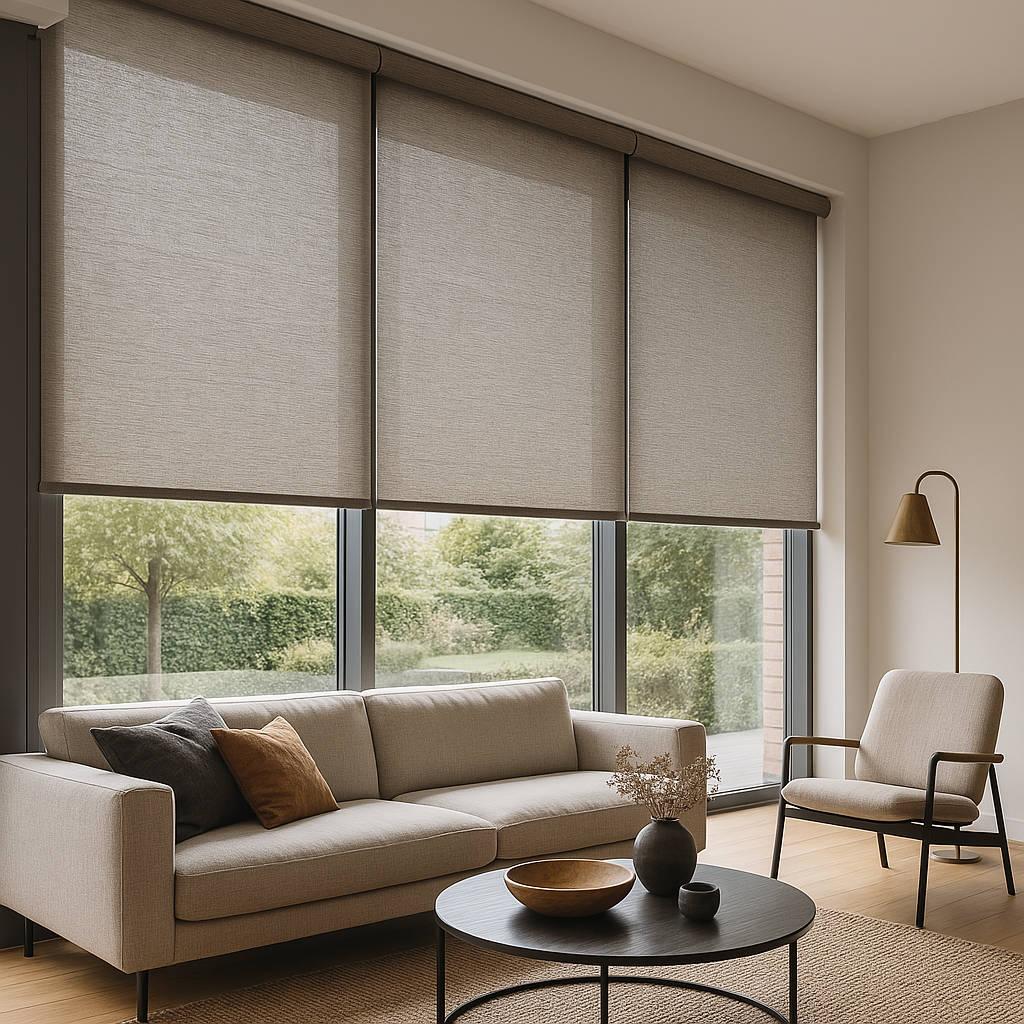
Roller Blinds
Clean lines, precise light control and effortless operation — the most versatile window treatment for modern Indian homes.
View product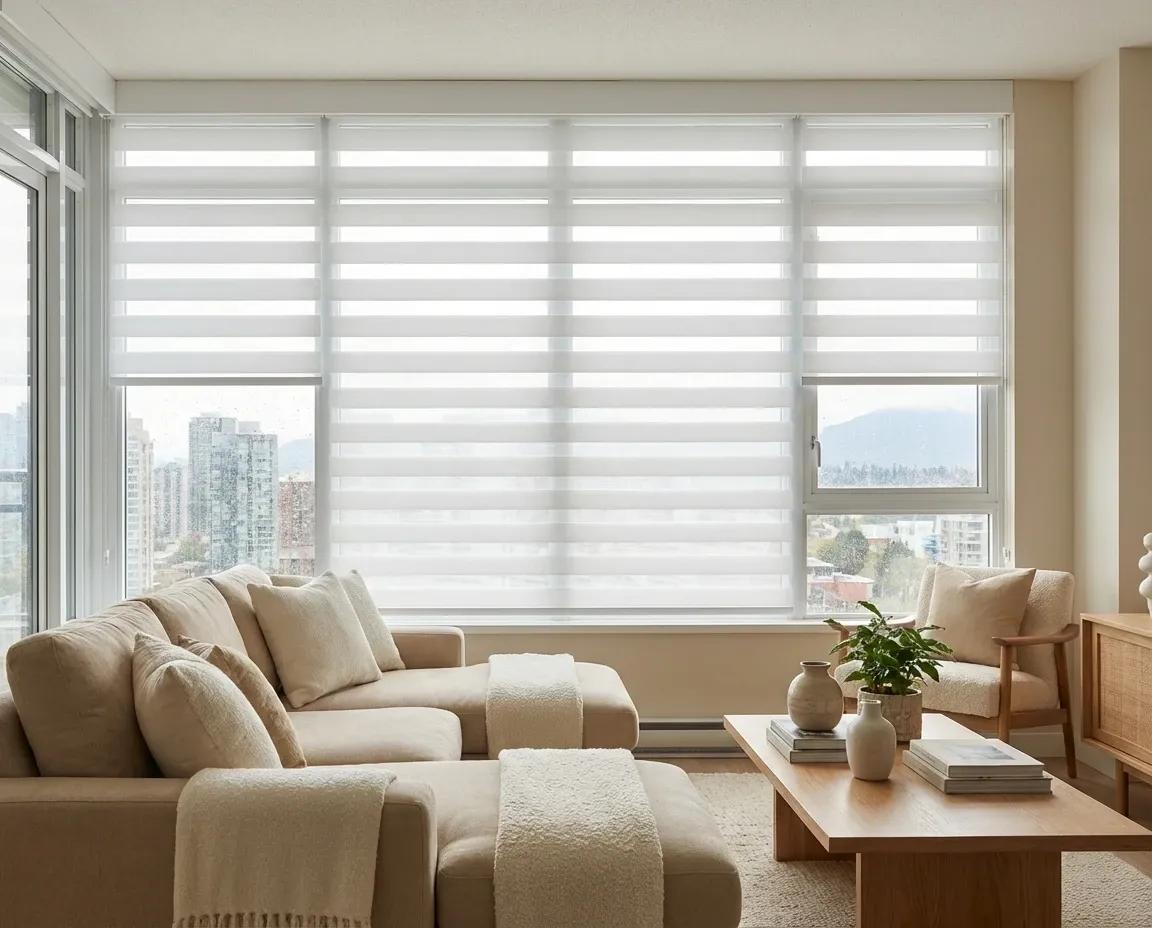
Zebra Blinds
Two fabrics in one blind — slide between sheer daylight and soft privacy in seconds.
View product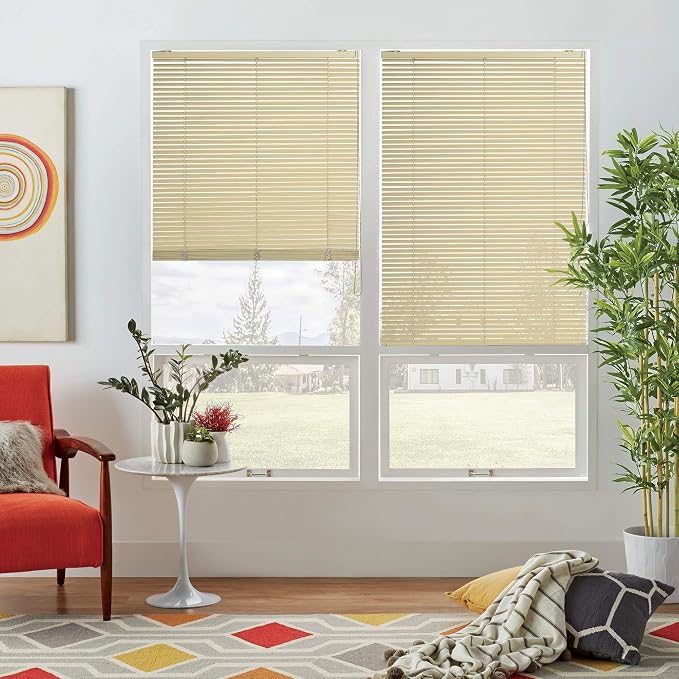
Venetian Blinds
Precision aluminium slats that tilt for exact light control — the classic choice for offices and homes.
View product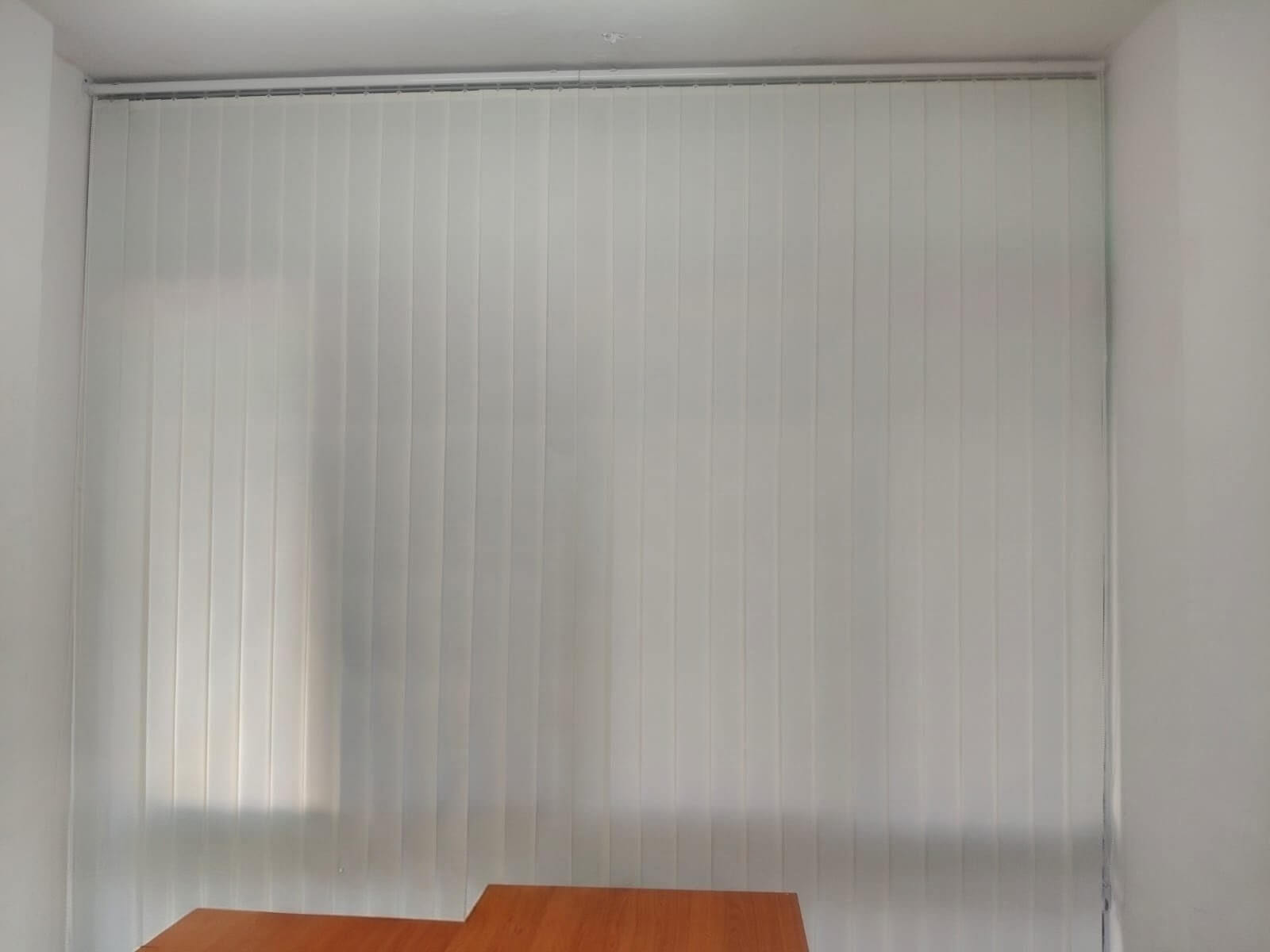
Vertical Blinds
Fabric vanes on a top track — the practical answer to wide windows and sliding doors.
View product