
Buying Guide
Roller Blind Fabrics Explained: GSM, Opacity & Openness Factor
What GSM, opacity categories and openness factor actually mean — and how to pick the right roller blind fabric for every room in your home.
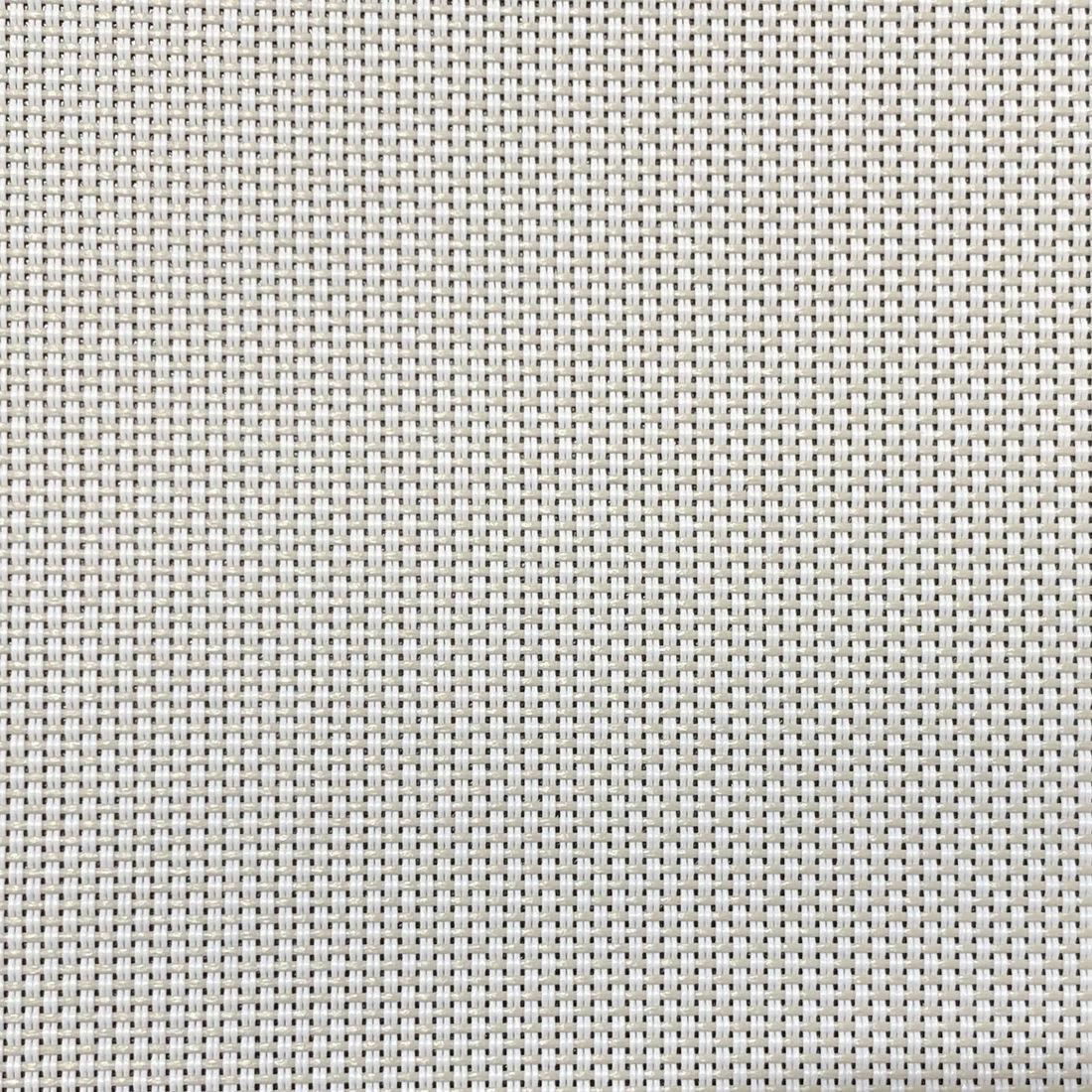
Two roller blinds with the same mechanism can feel completely different — one floods a room with soft daylight while the other keeps it dark enough for sleep. The difference is almost entirely the fabric. Understanding GSM, opacity categories and openness factor is the difference between guessing and choosing correctly.
This guide explains the technical terms fabric suppliers and installers use — in plain language — so you can specify exactly what you need when ordering custom roller blinds for your home or office in Delhi NCR.
Quick verdict upfront: bedrooms need blackout or dimout fabric, living areas need light-filtering, and rooms facing harsh sun benefit from sunscreen fabrics with a low openness factor. GSM matters less than opacity for light control — but it affects durability and how the fabric drapes.
Why Fabric Matters More Than the Mechanism
A roller blind is mechanically simple — a tube, a cassette and a piece of fabric. Every roller blind on the market works the same way. What changes everything is the fabric wrapped around that tube: how much light it blocks, how it diffuses glare, how it handles heat and how long it lasts before fading or sagging.
This is why two quotes for "roller blinds" can differ so much in price and performance. The cassette and mechanism are commodity parts — the fabric is where quality, light control and longevity actually live. When comparing options, always ask which fabric category and GSM you are getting, not just the blind type.
-
Light transmission
How much light passes through — the single biggest reason to choose a fabric
-
Glare control
Whether harsh sunlight is softened or blocked entirely
-
Privacy
Whether people outside can see in during the day and at night
-
Heat and UV
How much solar energy and fading rays the fabric stops
-
Durability
Resistance to sagging, fading and wear over years of use
The Four Opacity Categories
Roller blind fabrics are conventionally grouped into four opacity tiers, from most transparent to most light-blocking. Most manufacturers — including LA KREO — offer all four, and the right choice is per room, not per window.
Sheer and voile fabrics pass soft, diffused daylight and give daytime privacy only — outsiders can see silhouettes after dark. Light-filtering fabrics brighten a room while blocking most visibility. Dimout fabrics cut glare to a soft glow and give strong privacy day and night. Blackout fabrics block nearly all light and are the only tier suitable for bedrooms where darkness affects sleep.
-
Sheer / Voile
Soft diffused daylight, decorative privacy — living rooms, studios, shops
-
Light Filtering
Bright but softened light, good daytime privacy — living rooms, dining, offices
-
Dimout / Room Darkening
Glare reduced to a soft glow, strong privacy — TV rooms, studies, nurseries
-
Blackout
Near-total darkness, complete privacy — bedrooms, shift workers, media rooms
GSM Explained: What the Number Actually Tells You
GSM stands for grams per square metre — the weight of the fabric. It is the simplest objective measure of fabric substance: a 180 GSM cloth is physically heavier and denser than a 120 GSM one. Higher GSM generally means a more substantial feel, better opacity for the same weave and better resistance to sagging over a wide window.
But GSM is not a light-control rating. A heavy sheer fabric can still pass more light than a lighter blackout one — opacity depends on weave density and coating, not weight alone. Treat GSM as a durability and quality indicator, and the opacity category as the light-control indicator. For most residential roller blinds, fabrics in the 130–200 GSM range offer the best balance of drape, opacity and longevity.
-
Under ~120 GSM
Lightweight — fine for small windows, may sag on wide spans
-
~130–180 GSM
The residential sweet spot — good drape, opacity and durability
-
~180–250 GSM
Heavy-duty — commercial spaces, wide windows, blackout options
-
Coated blackout
Light blocking comes from coating/lining, not GSM alone
Openness Factor: The Sunscreen Fabric Metric
Sunscreen and solar screen fabrics are rated by openness factor — the percentage of open space in the weave, typically from 1% to 10%. A 3% openness fabric blocks roughly 97% of direct light while still preserving outward view. Lower openness means more privacy and glare control but less view; higher openness means clearer views with less shading.
This is the metric that matters for windows facing streets, harsh afternoon sun or where you want to keep the view without the heat. Unlike opacity categories which describe overall light transmission, openness factor describes the weave structure — two fabrics can have the same openness factor and look very different depending on colour and coating.
Darker sunscreen fabrics block more heat than light-coloured ones at the same openness factor — the colour absorbs solar energy before it reaches the glass. For west-facing windows in Delhi, a dark 3–5% screen outperforms a white 10% screen.
Matching Fabric to Room — A Practical Matrix
The simplest reliable rule: match the opacity tier to the room's darkness requirement, then adjust GSM and openness for the window's size and sun exposure. Bedrooms get blackout or dimout. Living areas get light-filtering or sunscreen fabrics. Studies and TV rooms get dimout. Kitchens and bathrooms get light-filtering or washable synthetic fabrics.
For wide windows — anything over about 2 metres — choose mid-to-high GSM fabric or request a joined fabric, because lightweight cloth visibly sags across long spans. For windows with direct afternoon sun, pair any opacity tier with UV-resistant treatment — every LA KREO fabric option includes UV protection to slow furniture and flooring fade.
-
Bedrooms
Blackout or dimout — darkness supports sleep; add side channels to stop edge glow
-
Living / dining
Light-filtering or sunscreen — daylight without glare
-
Study / TV room
Dimout — kills screen glare while keeping the room usable
-
Kitchen / bathroom
Light-filtering synthetic — moisture-friendly, easy wipe-clean
-
West-facing windows
Sunscreen or dimout — direct afternoon sun needs glare and heat control
-
Wide spans (2m+)
Mid-to-high GSM or joined fabric — prevents sagging
Fabric Care & Longevity
Roller blind fabrics are among the easiest window treatments to maintain — most can be dusted weekly and spot-cleaned with a damp cloth. Avoid soaking the fabric or getting the cassette wet, and check the fabric label before attempting any wash. Coated blackout fabrics should never be machine-washed.
Longevity depends on two things you control at purchase: UV exposure and fabric weight. South and west-facing windows fade fabric fastest — UV-resistant treatments slow this significantly. And on wide windows, heavier GSM fabric resists the sagging that makes cheap blinds look tired within a year.
Frequently Asked Questions
What GSM is best for roller blinds?
For most homes, 130–180 GSM is the sweet spot — substantial enough to hang flat and resist sagging, light enough to roll smoothly. Go heavier (180+ GSM) for wide windows, commercial use or blackout fabrics. Avoid very lightweight fabrics on spans over 2 metres.
Does higher GSM mean better light blocking?
No — GSM measures fabric weight, not opacity. Light blocking depends on the weave density, coating and whether the fabric is sheer, light-filtering, dimout or blackout. A 100 GSM blackout fabric blocks far more light than a 200 GSM sheer one.
What is openness factor in blinds?
Openness factor is the percentage of open space in a sunscreen fabric's weave — typically 1% to 10%. A 3% fabric blocks about 97% of direct light while preserving outward view. Lower openness = more privacy and shading; higher = clearer views.
Which roller blind fabric is best for a bedroom?
Blackout fabric — it blocks nearly all light for proper sleep. For shift workers or rooms with street lighting, add side channels to eliminate the glow that leaks around the blind's edges. Dimout is the alternative if you want some ambient light.
What is the difference between dimout and blackout fabric?
Dimout reduces light to a soft glow and gives strong privacy but does not create full darkness. Blackout blocks almost all light — combined with side channels it achieves near-total darkness. If you need to sleep in daylight or work night shifts, blackout is the correct choice.
Are sunscreen blinds the same as solar blinds?
Yes — sunscreen, solar screen and solar blinds are terms for the same category: woven fabrics rated by openness factor that cut glare and heat while preserving outward view. They suit windows facing streets, balconies or harsh sun.
Can roller blind fabric be washed?
Most can be spot-cleaned with a damp cloth and mild soap, and some uncoated fabrics can be gently hand-washed after removal. Never machine-wash or soak coated blackout fabrics — the coating degrades and the fabric may shrink. Check the fabric label first.
Will roller blind fabric fade in sunlight?
All fabrics fade eventually, but UV-resistant treatments significantly slow it — especially important on south and west-facing windows. Darker colours show fading less than bright whites and pastels. LA KREO offers UV-resistant fabric options for sun-exposed windows.
Written by
Ajay Arora — Founder, LA KREO
Ajay Arora is the founder of LA KREO, a Delhi NCR-based interior products company. With hands-on experience across blinds, flooring and wall solutions, he oversees product selection, fabrication and installation for residential and commercial clients.
- Founder & Director, LA KREO
- Interior products & installation specialist
- Delhi NCR service area — Delhi, Gurgaon, Noida, Greater Noida, Ghaziabad
Products Mentioned in This Guide
Explore the blinds and interior solutions referenced above — custom-made to your measurements across Delhi NCR.
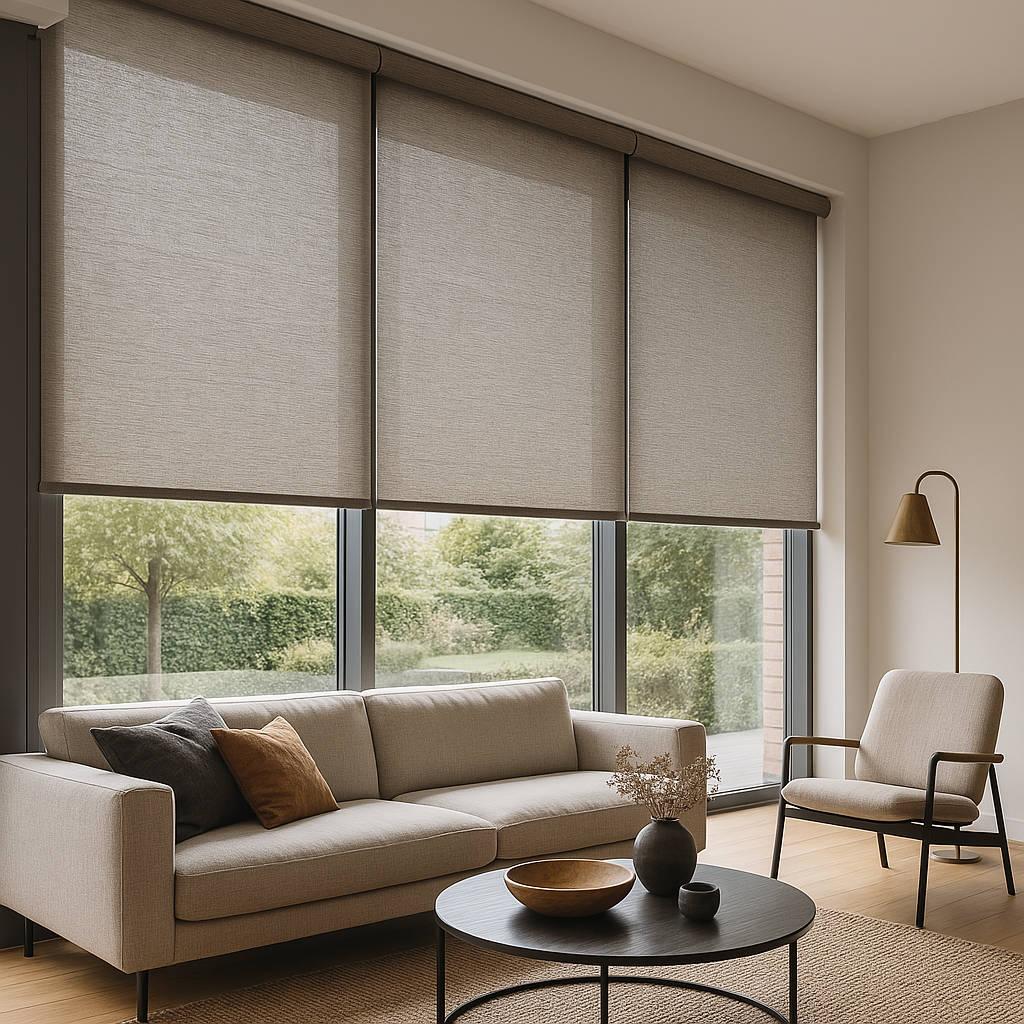
Roller Blinds
Clean lines, precise light control and effortless operation — the most versatile window treatment for modern Indian homes.
View product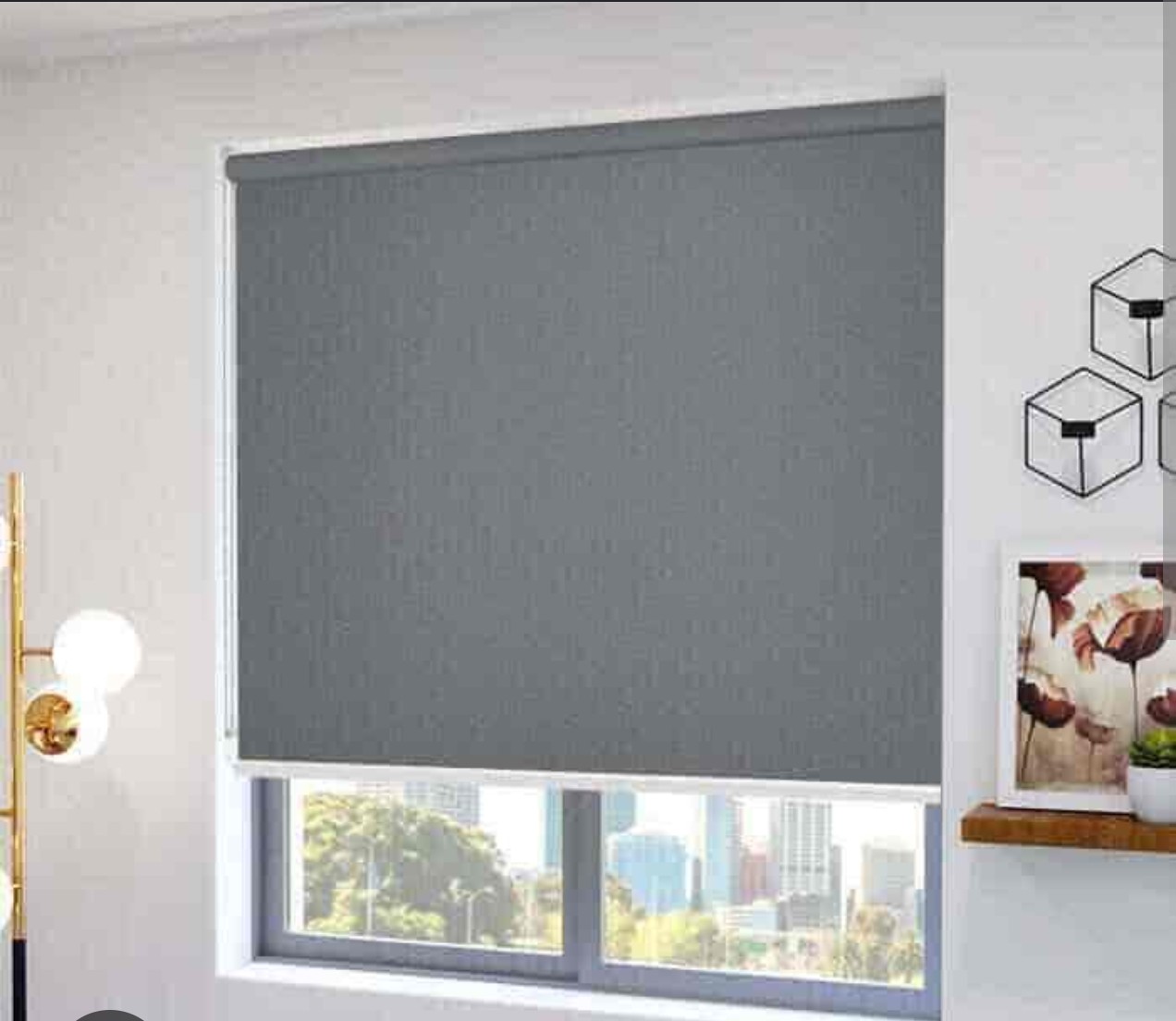
Sunscreen Blinds
Precision sun control that blocks glare and heat while keeping your view intact.
View product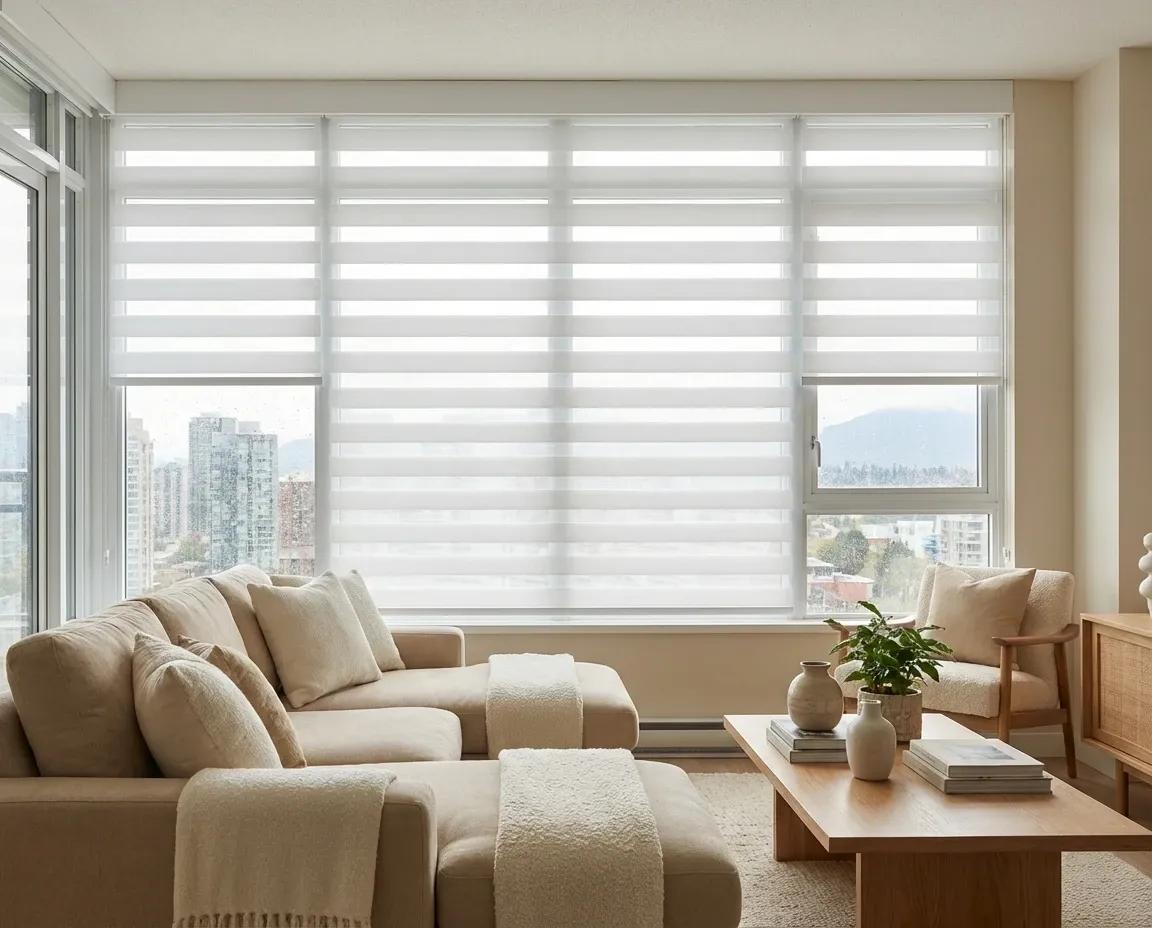
Zebra Blinds
Two fabrics in one blind — slide between sheer daylight and soft privacy in seconds.
View product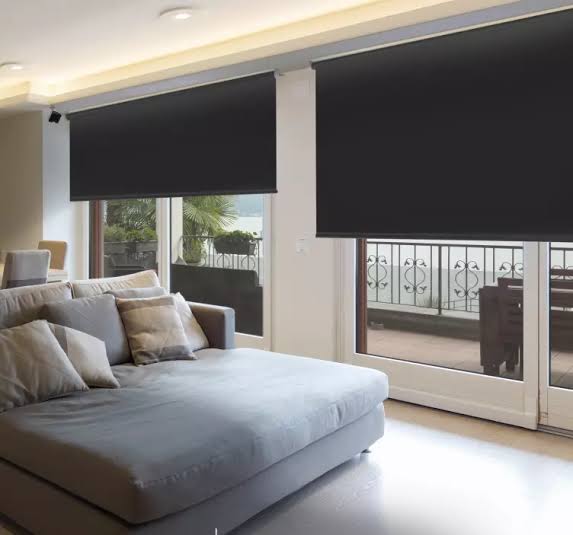
Blackout Blinds
Near-total darkness for better sleep — the bedroom essential done properly.
View product