
Buying Guide
Custom-Made vs Readymade Blinds: Which Should You Choose?
Why custom blinds cost more upfront but fit better, last longer and perform better — and when readymade blinds actually make sense.
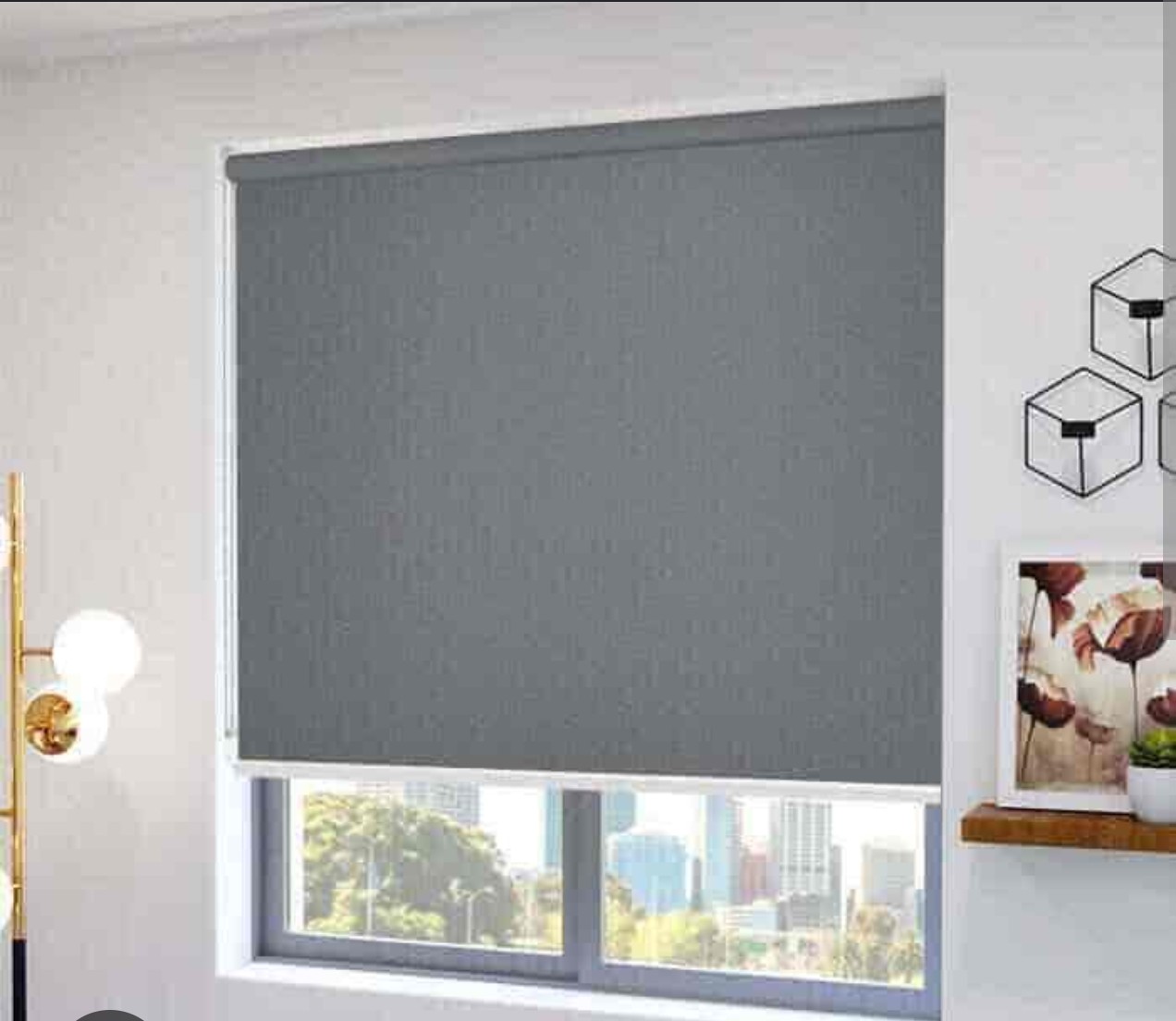
Every window in an Indian home is slightly different — widths vary by centimetres, recess depths differ between rooms, and no two windows in the same house share identical measurements. That single fact is the entire argument for custom-made blinds, and it is why LA KREO fabricates every blind to order rather than stocking standard sizes.
Readymade blinds solve a different problem: speed and lower upfront cost for standard-sized windows where a near-fit is acceptable. Understanding where each approach wins — and where readymade blinds quietly fail — is the difference between blinds that look installed and blinds that look bought.
Quick verdict upfront: for anything beyond a single standard window, custom-made wins on fit, finish and longevity. Readymade only makes sense for temporary situations, rentals or genuinely standard openings where you accept light gaps and awkward proportions.
What "Custom-Made" Actually Means
A custom-made blind is fabricated to the exact measurements of your window — fabric cut to width and drop, cassette or headrail sized to the span, brackets positioned for your specific recess or wall. Every component is chosen for your window, not pulled from a size chart.
This matters because blinds are precision products. A roller blind that is 2cm too narrow leaves visible light gaps at the edges. A blind mounted 5mm off-level looks crooked against the frame. A cassette sized for a standard width crowds or overhangs on an unusual opening. Custom fabrication eliminates all of these by starting from your actual window, not a nominal size.
-
Exact width and drop
Fabric cut to your measured dimensions — no gaps, no overlap errors
-
Sized hardware
Cassette, tube and brackets matched to your span and recess depth
-
Fabric and mechanism choice
Opacity, colour, operation and motorization selected per window
-
Fit verification
Measured on-site before fabrication — your window is the template
Where Readymade Blinds Win — and Where They Fail
Readymade blinds are not inherently bad — they are a compromise that trades fit for convenience. They make sense when the window is genuinely standard (rare in Indian construction), when the blind is temporary, or when budget is the overriding constraint and you accept the visual and functional compromises.
The failures are predictable. Width mismatches leave light gaps — unacceptable for blackout or privacy. Depth mismatches mean the cassette protrudes from the recess or floats awkwardly on the wall. Mechanism quality in readymade products is usually lower because they are built to a price point, not a specification. And once installed, a poorly-fitting blind cannot be adjusted — you live with it or replace it.
-
Readymade wins for
Temporary use, rentals, genuinely standard openings, tight budgets
-
Readymade fails on
Blackout/privacy needs, unusual window sizes, premium finish expectations
-
The hidden cost
A cheap readymade blind replaced in 2 years costs more than one custom blind that lasts 8–10
-
Fit is permanent
You cannot trim a readymade blind to fit — the compromise is built in
The Real Cost Comparison
Custom blinds cost more per window upfront — you are paying for measurement, fabrication to order, quality components and professional installation. But the comparison that matters is cost-per-year-of-service, not sticker price. A custom roller blind with quality fabric and hardware typically serves 8–10 years with basic care. A readymade blind with thin fabric and basic mechanisms often needs replacement within 2–4 years.
There is also the performance cost of poor fit. Light gaps defeat the purpose of blackout blinds. Crooked mounting looks unfinished in a room you live in daily. A blind that does not seal against the window leaks heat in summer — the exact problem you bought it to solve. Custom fabrication is not a luxury; it is the difference between a window treatment and a window covering.
When comparing quotes, compare specification not just price — fabric GSM and opacity, mechanism type, cassette quality, hardware grade and installation method. A "cheap" custom blind with better specs often outperforms an expensive readymade one.
When Custom-Made Is Non-Negotiable
Some windows make custom fabrication the only correct answer. Floor-to-ceiling glass, wide sliding door spans, bay windows, windows with deep or shallow recesses, motorized blinds (which need precise torque sizing), and any window where darkness or privacy is the primary goal — all of these demand exact measurement.
Even "standard" windows in Indian homes rarely match readymade size charts because construction tolerances vary by builder and era. A 2020s apartment and a 1990s independent house have different frame depths, sill angles and recess conditions. Custom measurement accounts for all of it.
-
Floor-to-ceiling glass
Requires precise width and drop — no readymade size exists
-
Sliding doors & wide spans
Custom fabrication for smooth operation across the full opening
-
Motorized blinds
Torque and travel limits must match your exact blind dimensions
-
Blackout requirements
Side channels and overlap only work when sized to your window
-
Unusual recesses
Shallow or deep recesses need custom bracket and cassette selection
Our Custom Process: What You Actually Get
Every LA KREO blind starts with a free site visit — we measure each window precisely, check recess depth and frame condition, assess sun exposure and privacy needs, and recommend fabric, mechanism and mounting per window. You choose from physical fabric samples, not photos.
Fabrication happens to your measurements in our workshop — fabric cut, mechanism assembled, cassette fitted and quality-checked before dispatch. Installation is done by our own team, not subcontracted — level, aligned and commissioned on site. The result is a blind that looks like it was always part of the window.
The Bottom Line
Custom-made blinds cost more upfront and are worth it for almost every permanent installation. Readymade blinds are a compromise for temporary or budget-constrained situations where fit and finish are secondary. For a home you live in — where blinds are part of daily light, privacy and comfort — custom is the only choice that delivers.
If you are weighing the decision for your home, the free measurement visit removes the guesswork — we measure, show you fabric options and give you an exact quote for your windows. No obligation, no pressure.
Frequently Asked Questions
Are custom blinds worth the extra cost?
For permanent installations, yes — custom blinds fit precisely, last longer and perform better than readymade alternatives. The upfront cost is higher but the cost-per-year is lower, and the fit difference is visible every day.
How much more do custom blinds cost than readymade?
Custom blinds typically cost 30–60% more upfront depending on fabric and mechanism, but they last 2–3x longer and fit correctly. The real comparison is cost-per-year, where custom usually wins clearly.
Can readymade blinds be trimmed to fit?
No — roller blind fabric and mechanisms cannot be safely trimmed on site. Roman blinds and some fabric styles can be hemmed, but the mechanism and headrail dimensions are fixed. Readymade means accepting the size you buy.
What is the biggest problem with readymade blinds?
Fit. Width mismatches leave light gaps that defeat blackout and privacy purposes. Depth mismatches make cassettes protrude or float. Crooked mounting looks unfinished. None of these can be corrected after installation.
Do custom blinds take longer to get?
Custom fabrication typically takes 1–2 weeks depending on order volume and complexity — motorized and specialty blinds may take longer. Readymade is instant but compromises fit. We confirm timelines at quotation.
Are custom blinds better quality?
Generally yes — custom manufacturers select components for the actual specification rather than a price point. You choose fabric GSM, mechanism grade and hardware quality. Readymade products are built to a cost target, which often means thinner fabric and basic mechanisms.
Can I get custom blinds for just one window?
Yes — we fabricate any quantity from a single window upward. Many customers start with one problem window (a west-facing bedroom, a wide sliding door) and add more after seeing the quality.
What should I look for in a custom blind quote?
Fabric type and GSM, opacity level, mechanism (chain/cordless/motorized), cassette quality, mounting type and installation method. Compare specifications, not just total price — a detailed quote signals a manufacturer who understands the product.
Written by
Ajay Arora — Founder, LA KREO
Ajay Arora is the founder of LA KREO, a Delhi NCR-based interior products company. With hands-on experience across blinds, flooring and wall solutions, he oversees product selection, fabrication and installation for residential and commercial clients.
- Founder & Director, LA KREO
- Interior products & installation specialist
- Delhi NCR service area — Delhi, Gurgaon, Noida, Greater Noida, Ghaziabad
Products Mentioned in This Guide
Explore the blinds and interior solutions referenced above — custom-made to your measurements across Delhi NCR.
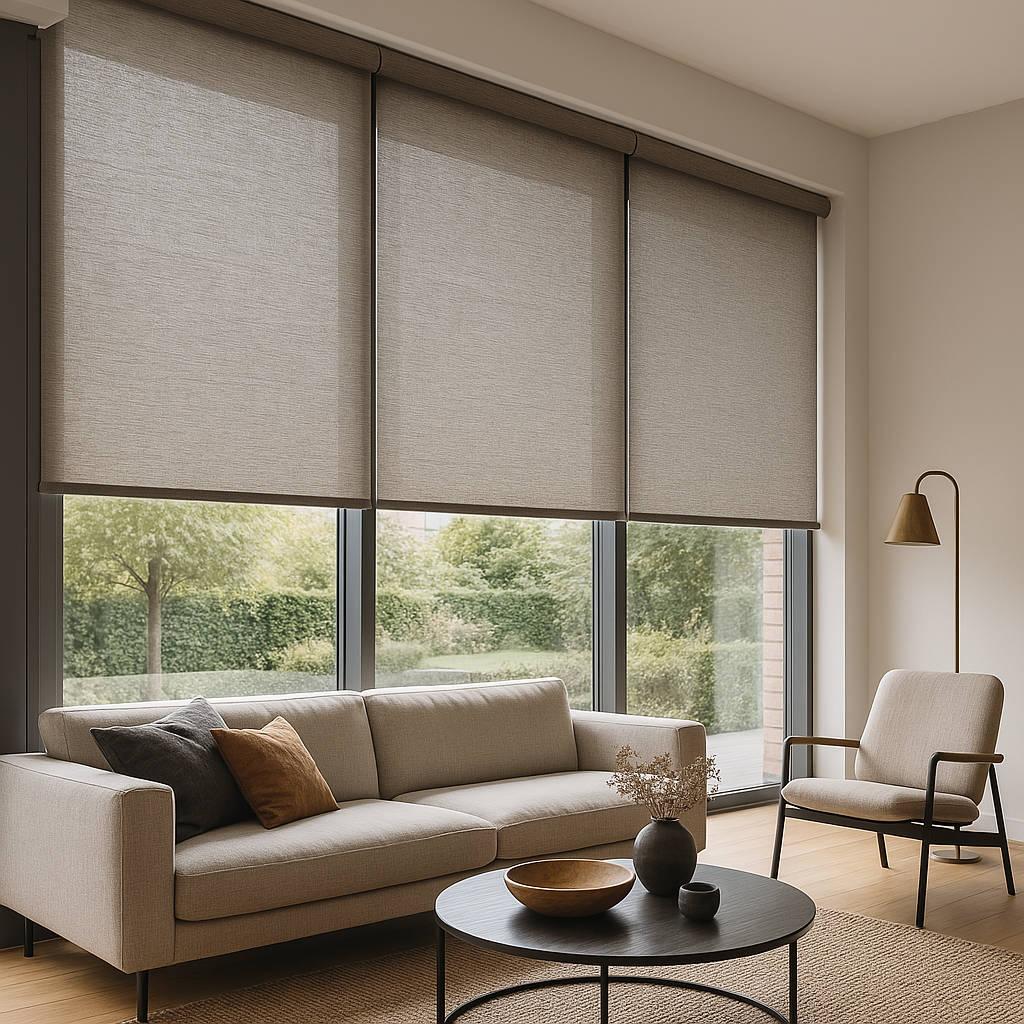
Roller Blinds
Clean lines, precise light control and effortless operation — the most versatile window treatment for modern Indian homes.
View product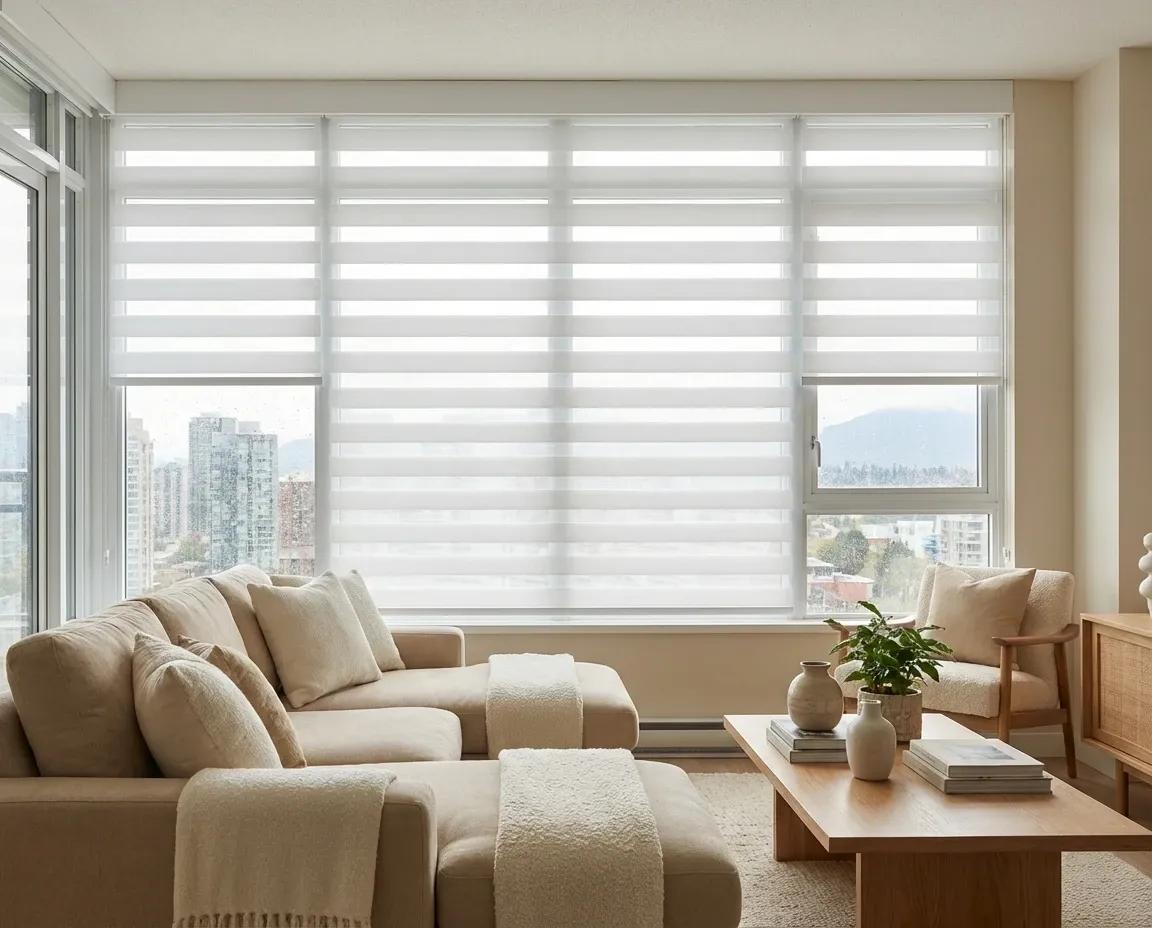
Zebra Blinds
Two fabrics in one blind — slide between sheer daylight and soft privacy in seconds.
View product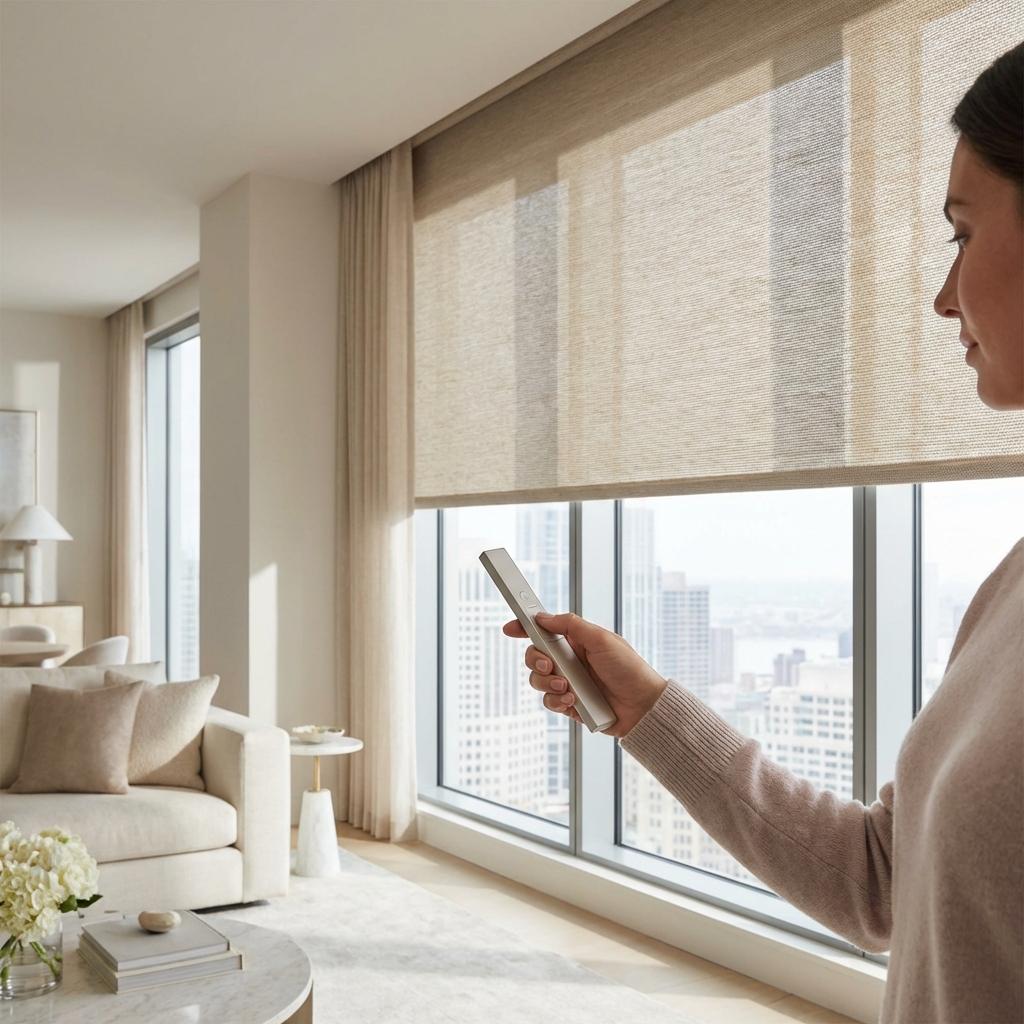
Motorized Blinds
Push-button convenience — raise, lower and tilt blinds without lifting a finger.
View product
Custom Blinds
Any shape, any size, any fabric — blinds fabricated for your exact requirements.
View product