
Buying Guide
Sunscreen Blinds Buying Guide: Openness Factor, Glare & Views
How sunscreen blinds actually work — openness factor explained, the view-privacy-glare tradeoff, and which windows in your home need them most.
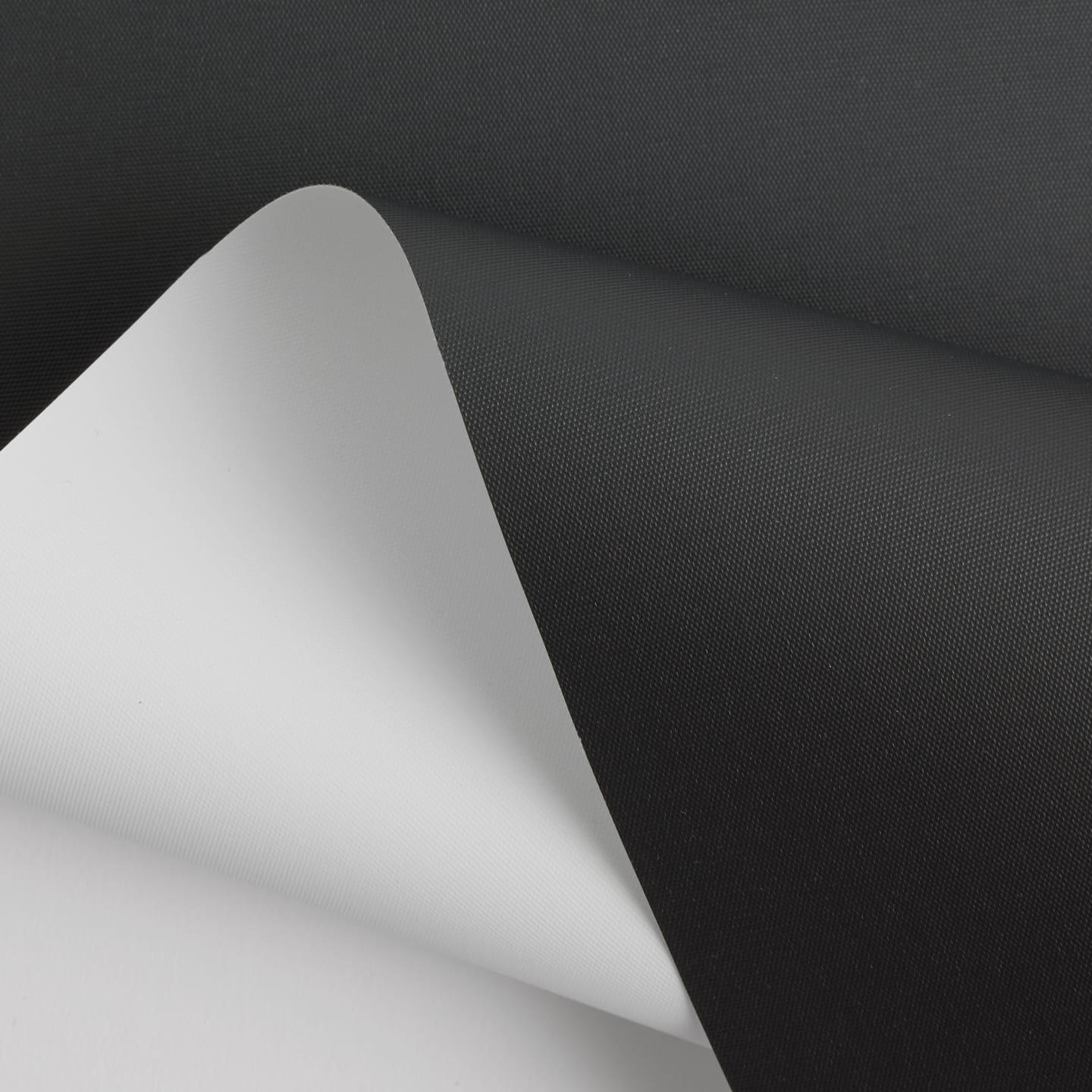
If your windows face a busy street, a neighbour's wall or harsh afternoon sun, you face a familiar dilemma: you want daylight and the view, but not the glare, the heat or the exposure. Sunscreen blinds exist precisely for this problem — woven solar fabrics that cut light and heat while keeping your view intact.
Unlike blackout or dimout fabrics that block light entirely, sunscreen fabrics are engineered around a single measurable parameter: openness factor. Understanding it is the key to choosing correctly — too open and you get glare, too closed and you lose the view you wanted to keep.
Quick verdict upfront: for street-facing and sun-facing windows, a 3–5% openness sunscreen fabric in a darker colour is the sweet spot for Delhi NCR homes — strong glare and heat control with a preserved outward view. For extreme sun, drop to 1–3%.
What Sunscreen Fabric Actually Does
Sunscreen fabric — also called solar screen, sunscreen roller fabric or solar blind cloth — is a technical woven textile, not a decorative one. The weave is engineered with a precise percentage of open space, and that single number governs everything: how much light enters, how much heat is blocked, how much of the view survives and how much privacy you get.
The mechanism is simple physics. Direct sunlight hits the fabric, a portion passes through the open weave as diffused light, and the rest is reflected or absorbed. Because the light that does pass is scattered rather than focused, harsh glare disappears while the room stays bright. The same weave that softens light also blocks a meaningful share of solar heat before it reaches your glass.
-
Glare control
Direct sun is diffused into soft ambient light — no harsh hotspots on screens or furniture
-
Heat reduction
A meaningful share of solar energy is stopped at the fabric, reducing cooling load
-
View preservation
Outward visibility survives — you see your street, garden or skyline, blurred slightly
-
UV screening
Most solar fabrics block a large share of fading UV rays
-
Daytime privacy
From outside, the fabric reads as a tinted screen — silhouettes are obscured during daylight
Openness Factor Decoded: 1%, 3%, 5%, 10%
Openness factor (OF) is the percentage of open area in the weave — the single most important spec when ordering sunscreen blinds. Common residential ratings run from 1% (very tight weave) to 10% (relatively open). The differences are significant and worth understanding before you order.
A 1% fabric is the most protective — near-blackout-level shading with the view reduced to soft shapes and colours. It suits extreme sun, privacy-critical rooms and media spaces. A 3% fabric is the residential workhorse — strong glare and heat control with a clearly recognisable view. A 5% fabric keeps views noticeably clearer while still taming afternoon glare. A 10% fabric is the most view-friendly — subtle shading and privacy, best for north-facing or already-shaded windows.
-
1% openness
Maximum shade and privacy — view becomes soft shapes; best for harsh sun, bedrooms needing dimness
-
3% openness
The sweet spot — strong glare/heat control, view still recognisable; most homes
-
5% openness
Balanced — clearer view, moderate shading; north-facing or lightly-sunned windows
-
10% openness
View-first — subtle shading and daytime privacy only; shaded or north-facing rooms
The Three-Way Tradeoff: View, Privacy, Glare
Every sunscreen fabric negotiates the same three-way tradeoff, and openness factor is where you set the balance. More openness preserves view but lets in more light, glare and visibility from outside. Less openness maximises shade and privacy but softens the view into shapes and colours.
There is a second variable most buyers miss: colour. Darker sunscreen fabrics — charcoal, bronze, black — block more heat and glare at the same openness factor because dark colours absorb solar energy at the fabric surface. Light colours reflect more light through, which keeps rooms brighter but lets more heat through too. For west-facing windows in Delhi, a dark 3% fabric consistently outperforms a white 10% one on both glare and heat.
Privacy works differently day and night. During the day, sunscreen fabric obscures interior views from outside. After dark, when your lights are on, the direction reverses — lower openness factors keep your interior hidden better. If evening privacy matters, choose 3% or tighter.
Where Sunscreen Blinds Work Best in Indian Homes
Sunscreen blinds earn their keep on windows with a specific problem: too much sun, too much glare or unwanted visibility — while still wanting daylight and the view. In Delhi NCR homes, that typically means west-facing bedroom and living room windows (afternoon heat), street-facing windows on ground floors, and rooms with TVs or monitors that suffer screen glare.
They are less useful where you want darkness — a bedroom that needs blackout sleep should use blackout fabric instead. And on windows that rarely see direct sun, a simple light-filtering fabric does the job at lower cost. Sunscreen blinds are a targeted solution, not a universal one.
-
West-facing windows
Afternoon sun and heat — sunscreen or dimout fabric
-
Street-facing ground floor
Daytime privacy plus view — 3–5% openness
-
TV / study rooms
Screen glare control — 1–3% openness, darker colour
-
Balcony sliding doors
Sun and visibility control over wide spans
-
Not ideal for
Bedrooms needing full darkness — choose blackout instead
Sunscreen vs Other Roller Blind Fabrics
Sunscreen fabrics sit between sheer and dimout on the opacity spectrum — more protective than light-filtering, less dark than dimout or blackout. They are the only fabric category rated by openness factor rather than simple opacity, because the weave structure — not just density — defines their performance.
If your window needs darkness for sleep, blackout wins. If it needs soft daylight with privacy, light-filtering wins. If it needs to keep the view while killing glare and heat — that is exactly the job sunscreen fabric was engineered for.
-
vs Sheer / Voile
Sunscreen blocks far more light and heat; sheer is decorative daylight only
-
vs Light Filtering
Sunscreen adds measurable heat and glare control for sun-facing windows
-
vs Dimout
Sunscreen preserves outward view; dimout prioritises darkness and privacy
-
vs Blackout
Sunscreen keeps views and daylight; blackout eliminates both for sleep
-
vs Zebra dual-layer
Sunscreen is single-layer sun control; zebra alternates sheer and opaque for flexible privacy
Buying Checklist for Sunscreen Blinds
When ordering custom sunscreen roller blinds, four decisions determine the result: openness factor for your sun exposure, colour for heat vs brightness preference, mounting for your window frame, and operation for reach and safety. Get those right and the fabric does the rest.
For most Delhi NCR homes facing afternoon sun, we recommend starting at 3% openness in a darker colour — it handles glare and heat without sacrificing the view. Move to 1% for extreme sun or privacy-critical rooms, and 5% for lightly-sunned or north-facing windows. Our team confirms the right spec during the free measurement visit.
Frequently Asked Questions
What openness factor should I choose for sunscreen blinds?
For most Delhi NCR homes, 3% is the sweet spot — strong glare and heat control with a preserved view. Choose 1% for extreme sun or maximum privacy, 5% for north-facing or lightly-sunned windows, and 10% only where view matters most and sun is minimal.
Do sunscreen blinds block heat?
Yes — solar screen fabrics stop a meaningful share of solar energy before it reaches the glass, reducing the heat that builds up in a room. Darker colours block more heat than light colours at the same openness factor. They reduce heat gain significantly but do not eliminate it like blackout + insulation can.
Can you see outside with sunscreen blinds?
Yes — that is their main advantage over dimout or blackout fabrics. Lower openness factors soften the view into shapes and colours; higher factors keep it clearer. A 3% fabric gives a recognisable but diffused view — enough to see street activity, not enough for clear detail.
Are sunscreen blinds good for privacy?
During the day, yes — the fabric obscures interior views from outside at all openness factors. At night, privacy decreases as your interior lights turn on; tighter weaves (1–3%) maintain better evening privacy. For complete day-night privacy, blackout fabric is safer.
What colour sunscreen blind is best?
Darker colours — charcoal, bronze, black — block more heat and glare at the same openness factor because they absorb solar energy at the fabric. Light colours keep rooms brighter but transmit more heat. For west-facing windows, dark colours are the better choice.
Sunscreen blinds vs zebra blinds — which is better?
They solve different problems. Sunscreen blinds are single-layer fabrics optimised for sun, glare and view control on exposed windows. Zebra blinds alternate sheer and opaque strips for flexible privacy and light adjustment. Choose sunscreen for sun-facing windows, zebra for rooms needing day-night privacy flexibility.
Do sunscreen blinds work on sliding doors?
Yes — sunscreen roller blinds are available for wide spans and sliding glass doors, including joined fabric for extra-wide openings. Motorized operation is recommended for large door-sized blinds.
How much do sunscreen blinds cost?
Pricing depends on window size, openness factor, colour and operation type — similar to other roller blind fabrics. We provide a free measured quote after assessing your windows; sunscreen fabrics are typically mid-range compared to sheer and blackout options.
Written by
Ajay Arora — Founder, LA KREO
Ajay Arora is the founder of LA KREO, a Delhi NCR-based interior products company. With hands-on experience across blinds, flooring and wall solutions, he oversees product selection, fabrication and installation for residential and commercial clients.
- Founder & Director, LA KREO
- Interior products & installation specialist
- Delhi NCR service area — Delhi, Gurgaon, Noida, Greater Noida, Ghaziabad
Products Mentioned in This Guide
Explore the blinds and interior solutions referenced above — custom-made to your measurements across Delhi NCR.
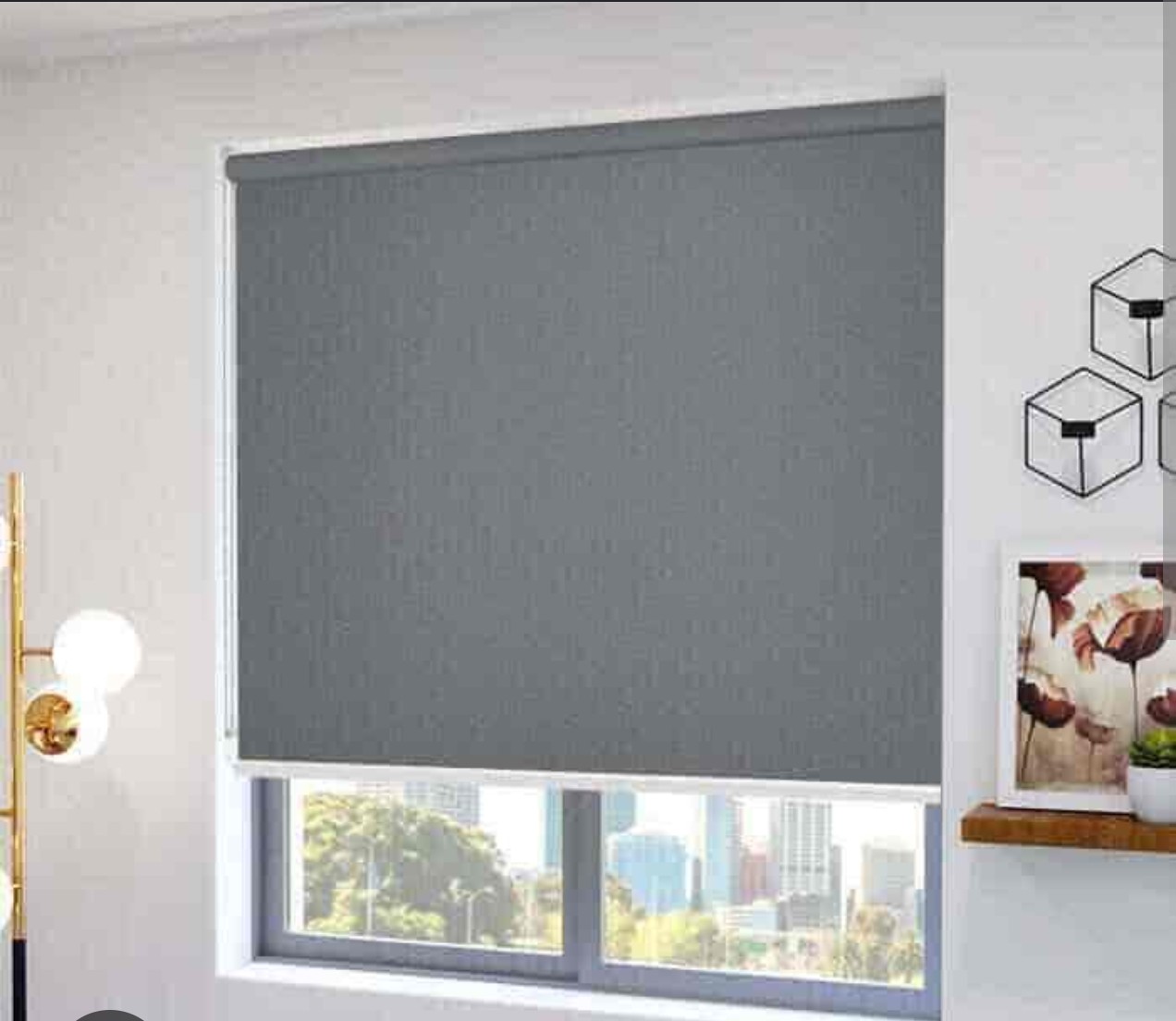
Sunscreen Blinds
Precision sun control that blocks glare and heat while keeping your view intact.
View product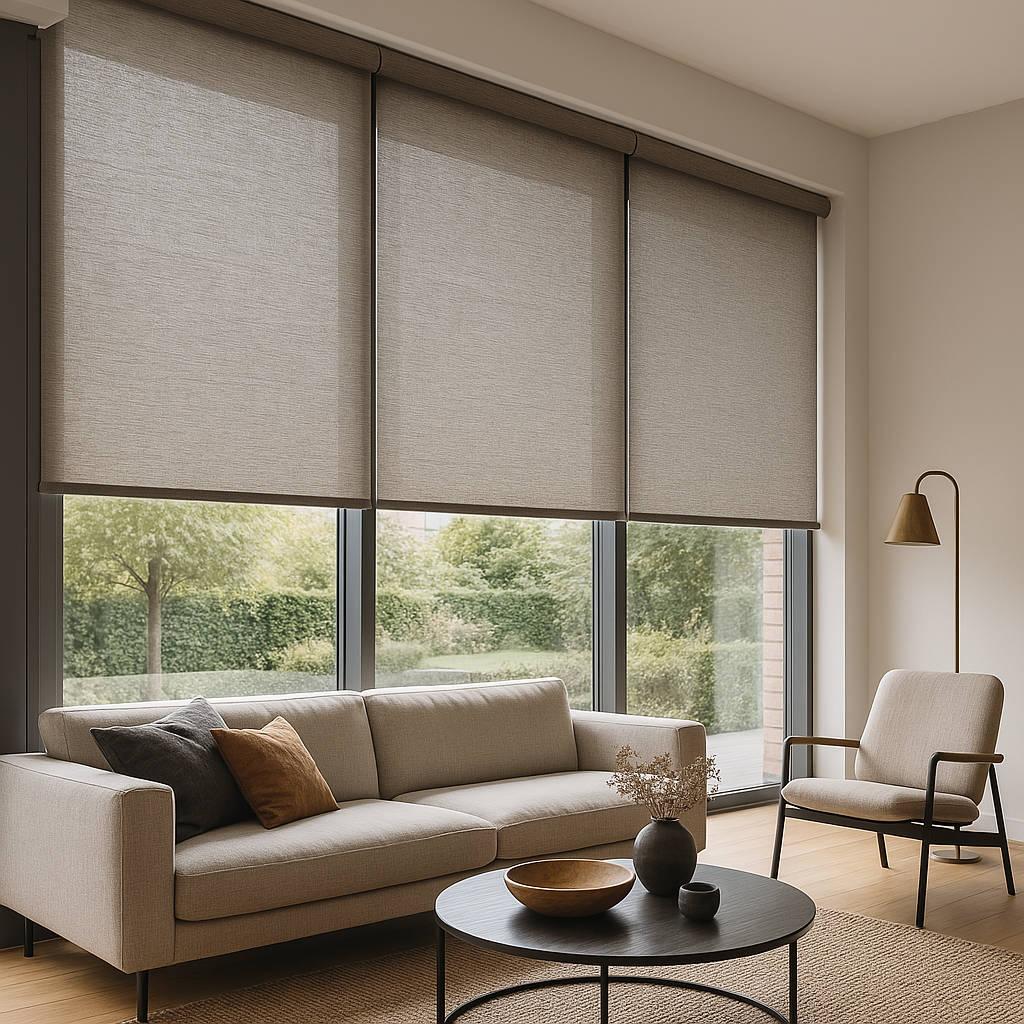
Roller Blinds
Clean lines, precise light control and effortless operation — the most versatile window treatment for modern Indian homes.
View product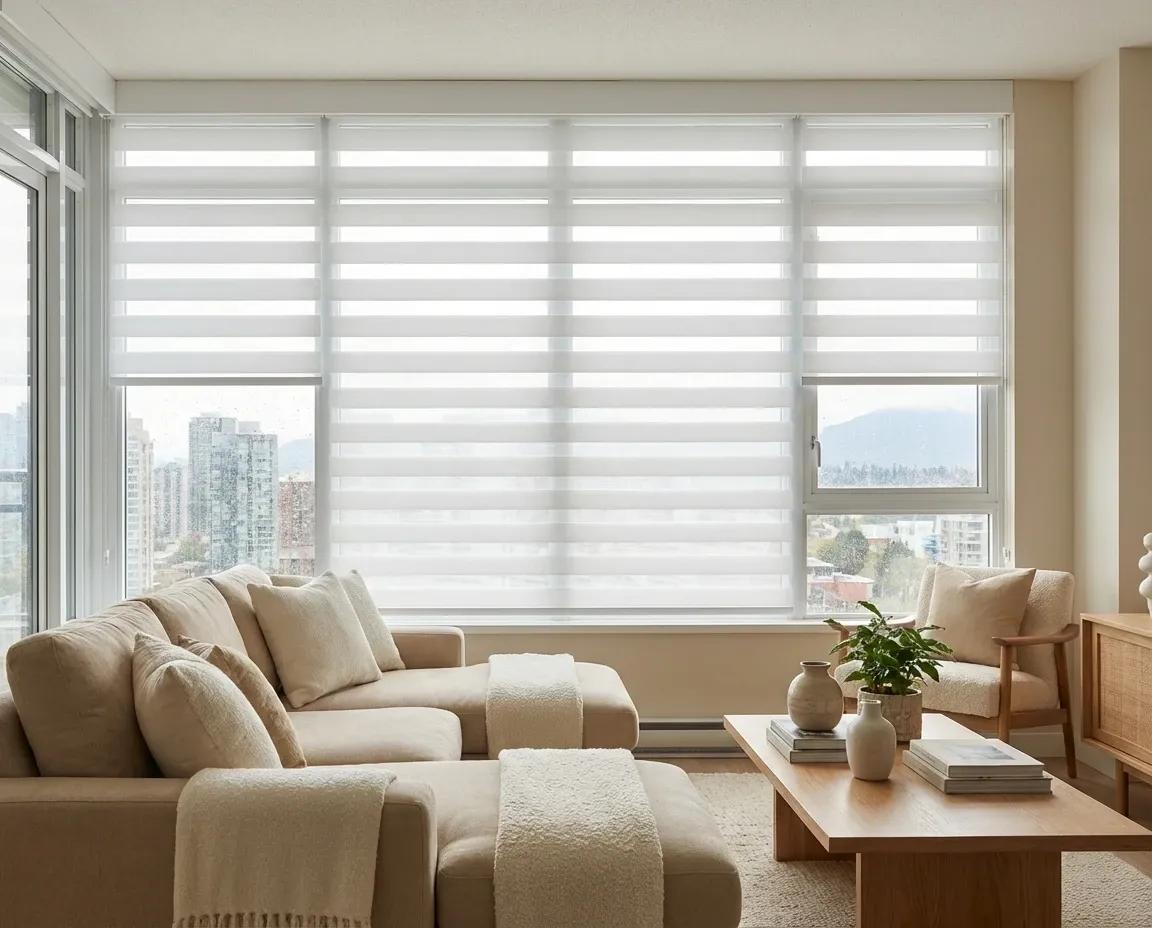
Zebra Blinds
Two fabrics in one blind — slide between sheer daylight and soft privacy in seconds.
View product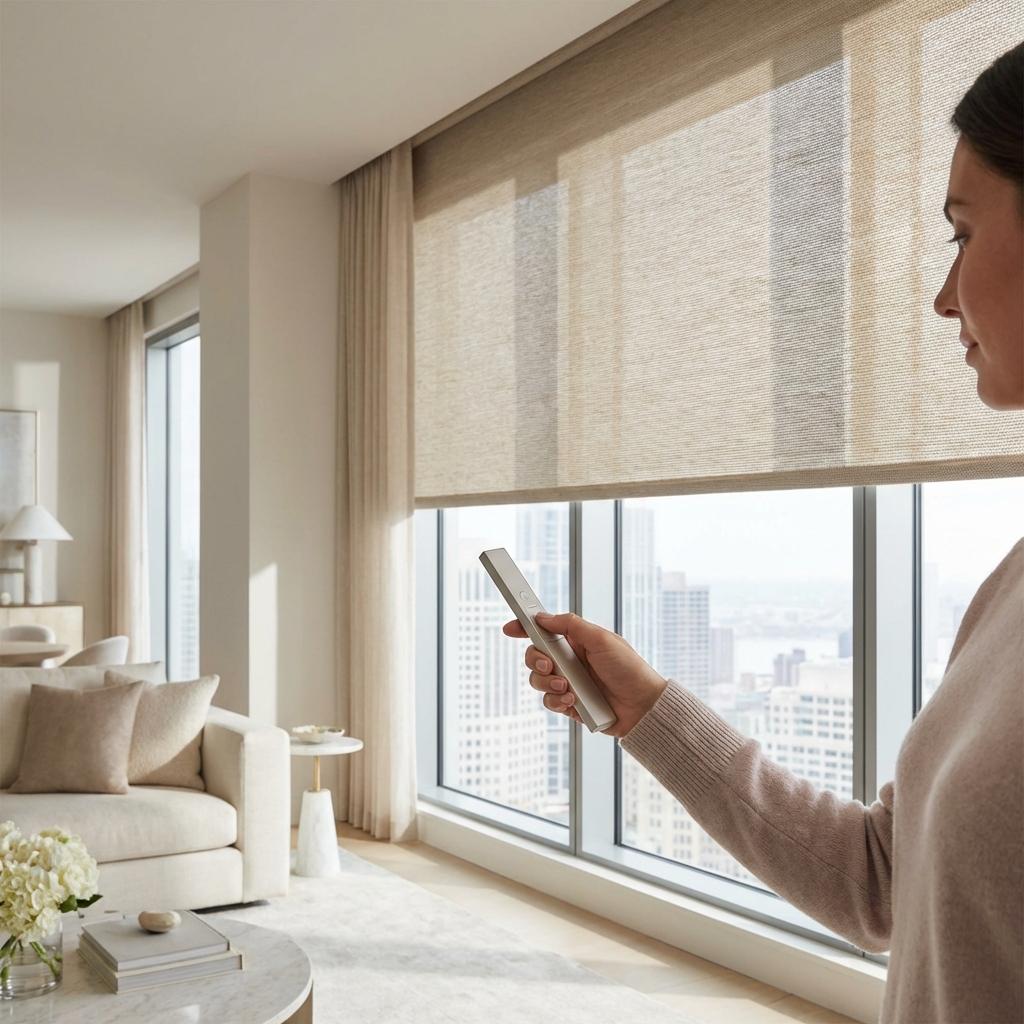
Motorized Blinds
Push-button convenience — raise, lower and tilt blinds without lifting a finger.
View product