
Buying Guide
Single vs Double Roller Blinds: Day-Night Light Control Explained
How double roller blinds combine sheer and blackout fabrics in one headrail — and when the extra layer is worth the cost over a standard roller blind.
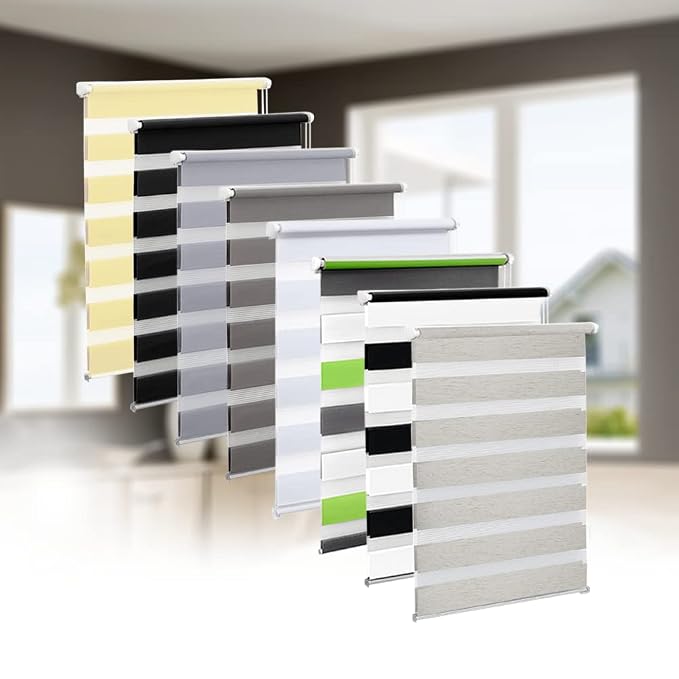
A standard roller blind gives you one fabric — sheer for day, blackout for night, but never both at once. Double roller blinds solve this with two fabric layers on independent mechanisms inside a single cassette: sheer voile for soft daylight and a dimout or blackout layer for privacy and darkness, each operating independently.
The result is one window treatment that genuinely covers the full day — morning sheer light, afternoon privacy screen, evening blackout — without anyone touching the blind twice. It costs more than a single roller blind, but for the right rooms it eliminates the compromise that makes people choose between view and darkness.
Quick verdict upfront: double roller blinds are worth the premium for bedrooms, living rooms and studies where light needs change through the day. For rooms that stay dark or stay bright all day, a single roller blind in the right fabric does the job for less.
What Double Roller Blinds Actually Are
A double roller blind — also called a dual roller or day-night roller blind — packs two separate fabric rolls into one wider cassette. Typically one roll carries a sheer or light-filtering fabric and the second carries a dimout or blackout fabric. Each roll operates on its own mechanism, so you can run either layer, both together, or position them independently.
The two fabrics can be used separately or in combination. Run just the sheer layer for diffused daylight with view. Add the dimout layer for privacy and softer light. Close the blackout layer for near-total darkness. Because the layers are independent, you are not locked into fixed positions — the sheer can sit at any height while the blackout covers the rest.
-
Construction
Two fabric rolls on independent mechanisms inside one cassette
-
Typical pairing
Sheer voile + dimout or blackout fabric
-
Cassette size
Wider than single roller — typically 10–12 cm vs 4–5 cm
-
Operation
Each layer raised/lowered independently — chain, cordless or motorized
-
Light range
Full spectrum — sheer daylight through near-blackout in one headrail
How the Day-Night System Works in Practice
The daily routine is what sells the concept. Morning: lower the sheer layer for soft filtered daylight — bright but glare-free. Midday when the sun shifts or privacy matters: bring down the second layer to dim the room. Evening: close the blackout layer for sleep. One window, one headrail, no compromise at any hour.
The layers also work in combination for intermediate states. Sheer fully down with blackout half-drawn gives diffused light with a privacy band at eye level. Sheer up and blackout down gives clean darkness with the cassette partially open. This flexibility is something no single-fabric blind can match.
The most popular configuration in Indian homes is sheer + blackout rather than sheer + dimout — the sheer handles daytime beautifully and the blackout guarantees real darkness at night without needing a third option.
Single vs Double Roller: The Honest Comparison
A single roller blind is simpler, cheaper and slimmer — one fabric, one mechanism, one decision per room. If a room needs only one light condition — a bedroom that is dark all day, a bathroom that stays bright — a single blind in the right fabric is the rational choice.
The double roller earns its premium where light needs genuinely change through the day — bedrooms where you want morning light but night darkness, living rooms facing both sun and street, studies that need screen-friendly dimness at 3pm but daylight at 9am. There, two layers in one headrail beat buying and coordinating two separate blinds.
-
Cost
Single roller is cheaper — roughly 30–50% less per window
-
Cassette size
Single is slimmer (4–5 cm) — matters in tight recesses
-
Light flexibility
Double roller covers the full day; single covers one condition
-
Recess fit
Double needs deeper recess — wider cassette plus dual mechanism
-
Maintenance
Single is simpler — fewer mechanisms to service
-
Best single-blind cases
Rooms with one consistent light need — bathrooms, dark bedrooms, rental units
Double Roller vs Zebra Blinds — The Overlap Question
Double roller blinds and zebra blinds are frequently confused because both promise day-night flexibility from one headrail. They achieve it differently. Zebra blinds use two alternating sheer and opaque fabric strips on ONE continuous sheet — sliding one past the other creates sheer, dimmed or opaque positions from a single fabric.
Double roller blinds use two completely separate fabric rolls — typically a full sheer and a full blackout/dimout — each operating independently. The result differs: zebra gives smooth graduated positions but maximum darkness is "near-blackout" rather than true blackout; double roller gives a genuine sheer layer plus true blackout, at the cost of a wider cassette and two mechanisms.
-
Zebra
One fabric, two alternating layers — smoother adjustment, near-blackout max
-
Double roller
Two separate fabrics — true sheer + true blackout, wider cassette
-
Max darkness
Double roller wins — real blackout fabric vs zebra's near-blackout
-
Daylight quality
Both good — zebra slightly more diffused, double sheer more natural
-
Cassette
Zebra slimmer than double roller — check recess depth
-
Choose zebra when
You want one continuous fabric and graduated light positions
-
Choose double roller when
You want true blackout plus true sheer — maximum darkness matters
Which Rooms Actually Benefit
Double roller blinds justify their cost where the day genuinely varies. Bedrooms are the clearest case — morning sheer light is pleasant, night needs real darkness, and a single fabric forces you to choose one or live with compromise. Living rooms facing streets benefit similarly — view by day, privacy after dark.
They are harder to justify in rooms with stable light needs. A bathroom that is bright all day does not need two layers. A study used only during daylight hours may be fine with a single dimout. Home offices with screens all day often prefer zebra blinds for glare control. The honest answer is per room, not per house.
-
Bedrooms
Strongest case — morning sheer, night blackout, one headrail
-
Living rooms (street-facing)
Day view + evening privacy without blackout the room all day
-
Studies / home offices
Daylight for mood, dimness for screens — though zebra also competes here
-
Skip for
Bathrooms, utility areas, rooms dark or bright all day
The Verdict: Premium Where It Earns It
Double roller blinds are not for every window — they are a targeted solution for rooms where light needs genuinely change through the day. Where that condition exists, nothing else delivers the same range: true sheer daylight and true blackout darkness in a single, coordinated headrail.
For Delhi NCR homes, our most common recommendation is double roller in bedrooms and street-facing living rooms, single roller elsewhere, and zebra where graduated light positions matter more than true blackout. This mixed approach delivers the benefit where it counts without paying the premium everywhere.
Not sure if your windows need dual layers? Share room photos and window details on WhatsApp — we will tell you honestly whether double roller earns its premium for your specific windows or a single fabric does the job.
Frequently Asked Questions
What is a double roller blind?
A double roller blind has two separate fabric rolls inside one cassette — typically a sheer fabric and a dimout or blackout fabric — each operating independently. It gives you sheer daylight and blackout darkness from a single headrail, covering the full range of light needs through the day.
Are double roller blinds worth the extra cost?
In rooms where light needs change through the day — bedrooms, living rooms, studies — yes, they eliminate the compromise of choosing one fabric. In rooms with stable light needs — bathrooms, dark bedrooms — a single roller blind in the right fabric is more economical.
What is the difference between double roller and zebra blinds?
Double roller uses two separate fabric rolls (usually sheer + blackout) operating independently — true blackout plus true sheer. Zebra uses one fabric with alternating sheer and opaque strips — graduated positions but near-blackout maximum rather than true blackout. Double roller has a wider cassette; zebra is smoother to adjust.
Can double roller blinds go fully blackout?
Yes — when fitted with a genuine blackout fabric on the second layer, double roller blinds achieve near-total darkness comparable to single blackout roller blinds. Add side channels for complete edge sealing. This is actually better than zebra blinds for true darkness.
Do double roller blinds need a deeper window recess?
Yes — the cassette is wider than a single roller (roughly 10–12 cm vs 4–5 cm) to house two mechanisms. Check your recess depth during measurement; if the recess is too shallow, outside mounting is the alternative.
Can double roller blinds be motorized?
Yes — both layers can be motorized independently or together, controlled by remote, app or smart home. Motorizing both layers is common for wide windows where manual operation of two blinds would be impractical.
Which is better for bedrooms — double roller or zebra?
For maximum darkness, double roller — its second layer is genuine blackout fabric. Zebra blinds reach near-blackout but not true blackout. If you are a light sleeper or work shifts, double roller is the safer choice; zebra suits those wanting smooth graduated light control.
How do you operate double roller blinds manually?
Each layer has its own operation — typically two chains, two cordless springs or a combined mechanism depending on the model. You raise or lower each fabric independently, so sheer and blackout can sit at different heights simultaneously.
Written by
Ajay Arora — Founder, LA KREO
Ajay Arora is the founder of LA KREO, a Delhi NCR-based interior products company. With hands-on experience across blinds, flooring and wall solutions, he oversees product selection, fabrication and installation for residential and commercial clients.
- Founder & Director, LA KREO
- Interior products & installation specialist
- Delhi NCR service area — Delhi, Gurgaon, Noida, Greater Noida, Ghaziabad
Products Mentioned in This Guide
Explore the blinds and interior solutions referenced above — custom-made to your measurements across Delhi NCR.
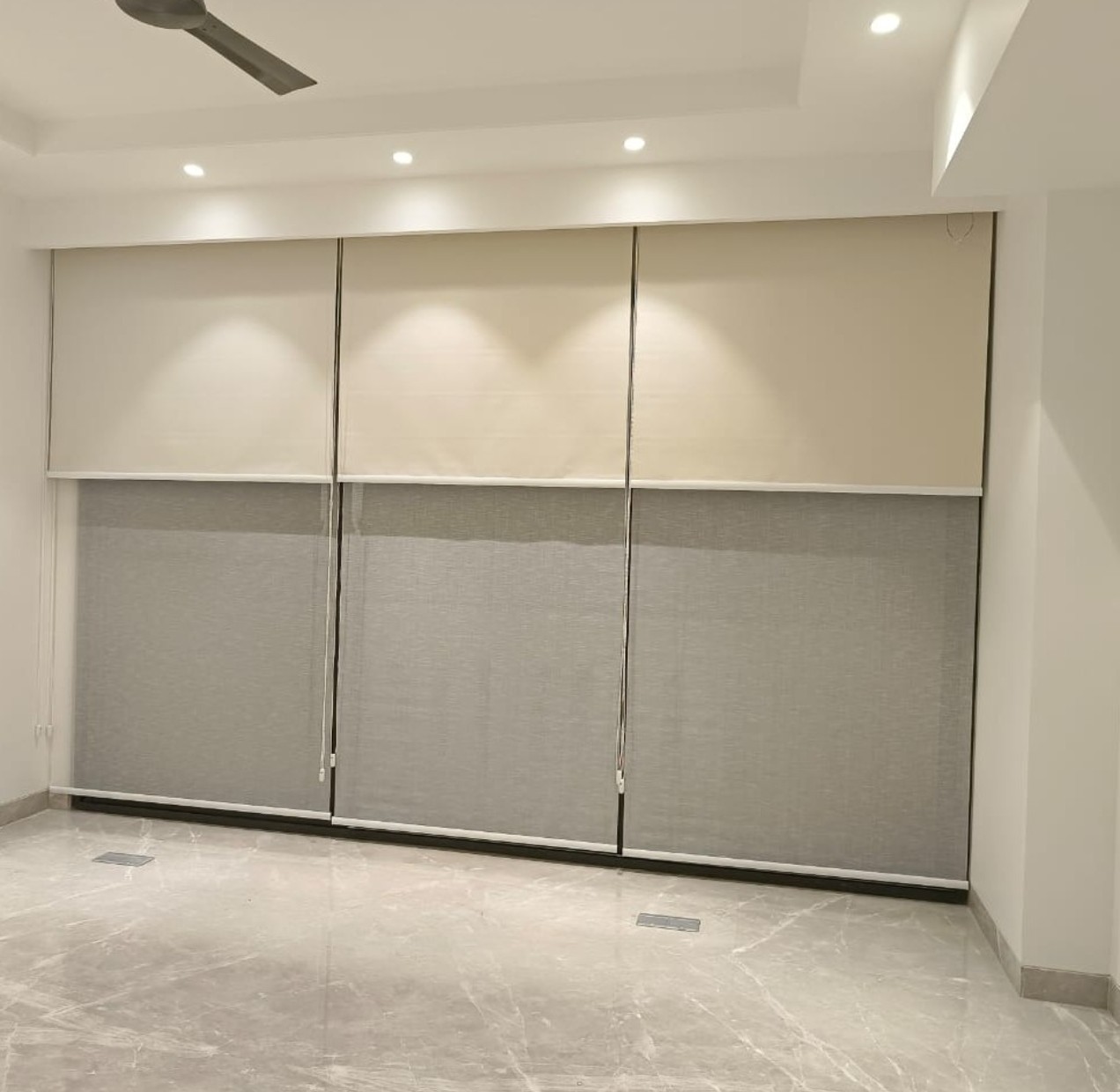
Double Roller Blinds
Two blinds in one — sheer for day, blackout for night, on the same window.
View product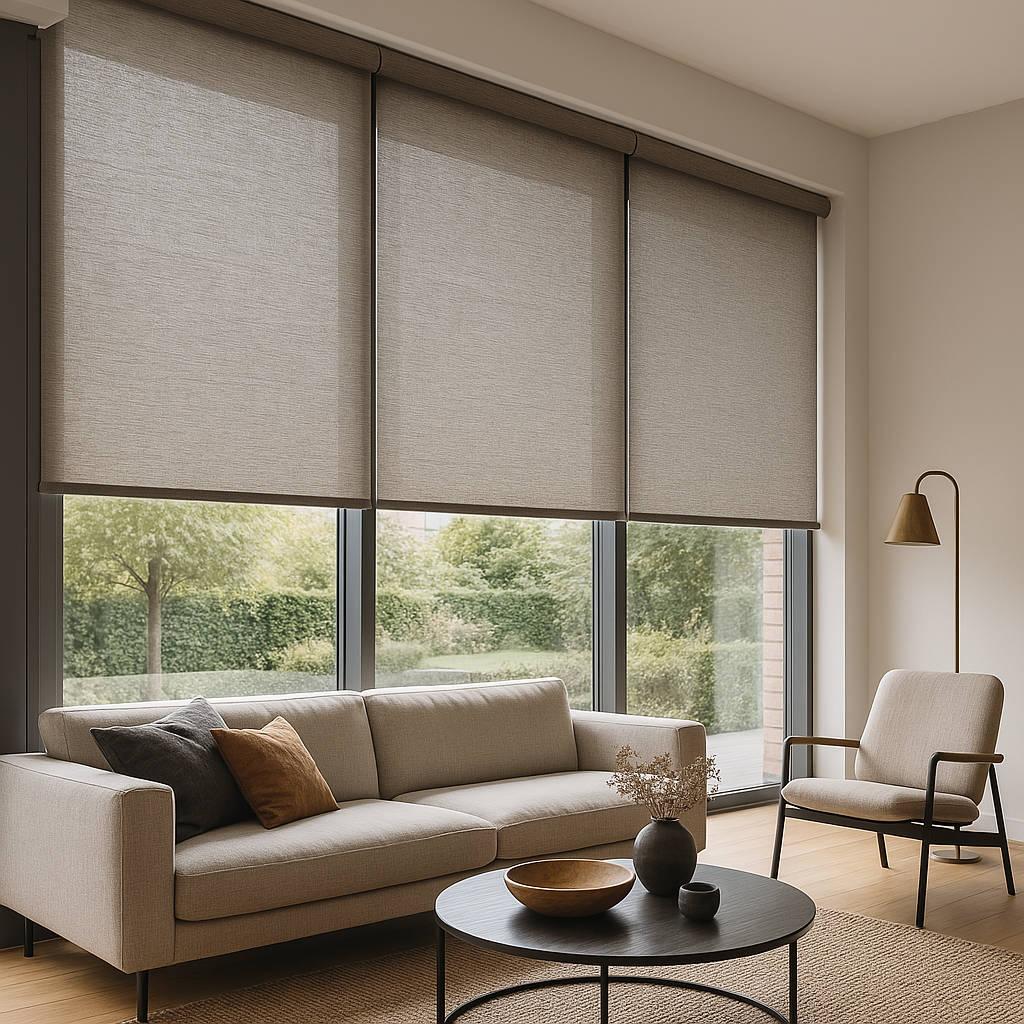
Roller Blinds
Clean lines, precise light control and effortless operation — the most versatile window treatment for modern Indian homes.
View product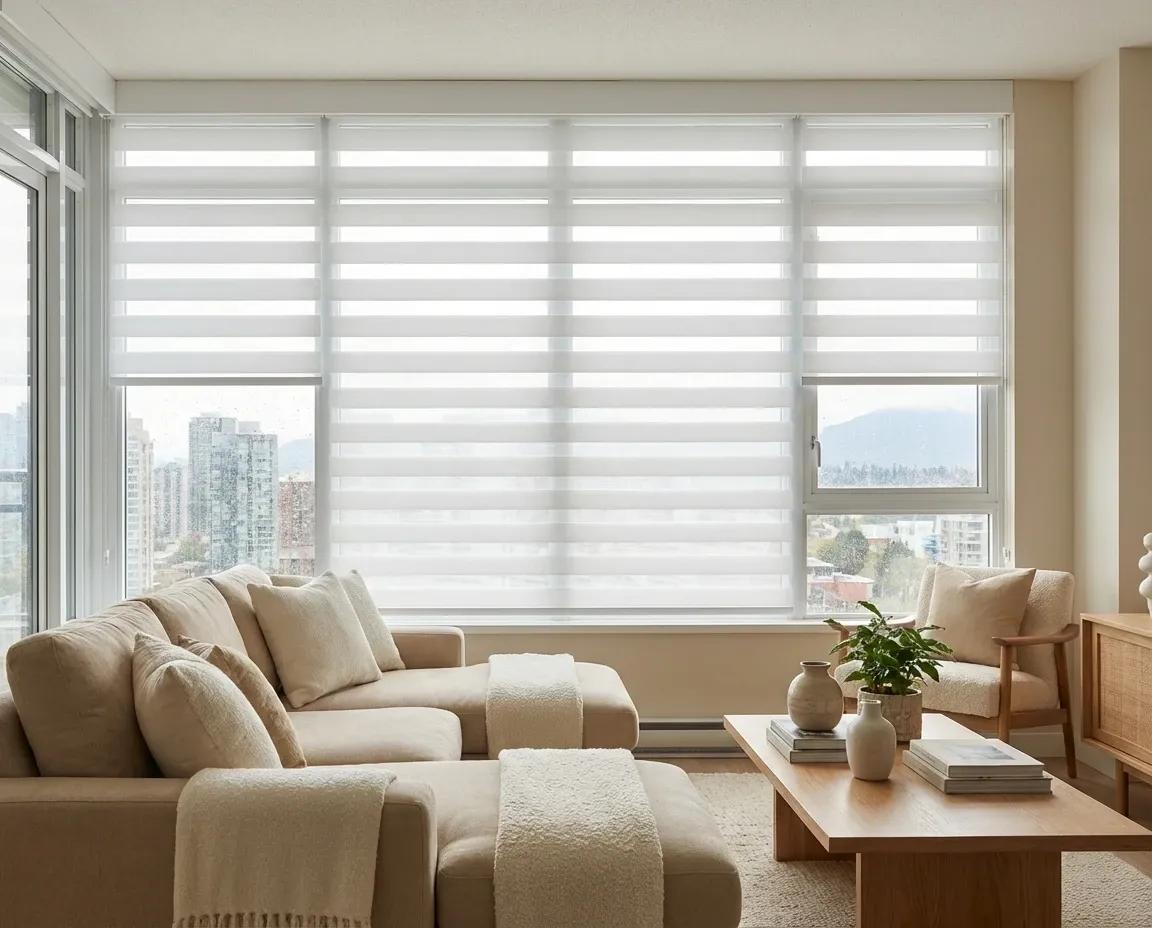
Zebra Blinds
Two fabrics in one blind — slide between sheer daylight and soft privacy in seconds.
View product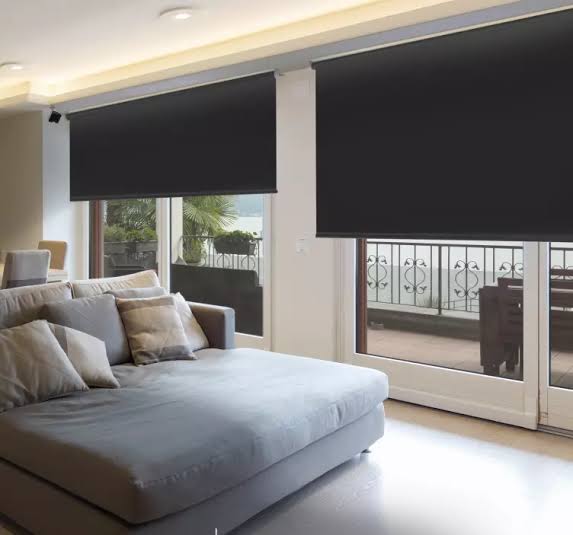
Blackout Blinds
Near-total darkness for better sleep — the bedroom essential done properly.
View product