
Buying Guide
Do Blinds Reduce Heat & Block UV? What Actually Works
How blinds affect room temperature and furniture fading — which fabrics genuinely reduce heat, why window orientation matters, and what actually works in Delhi summers.
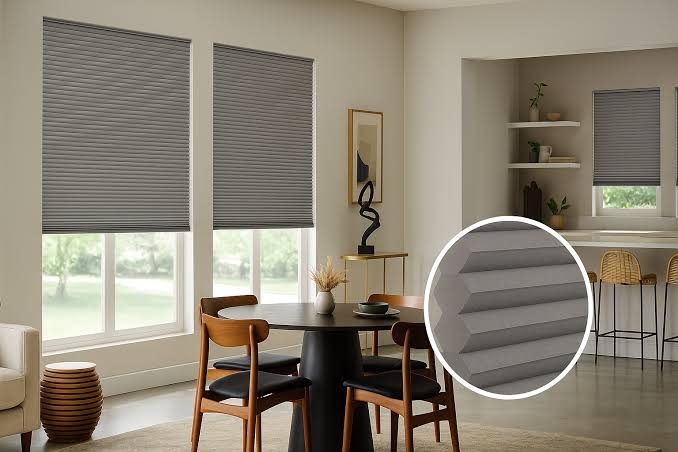
Walk into any blind shop and you will hear claims about heat reduction and UV protection. Some are genuine engineering — woven solar fabrics that measurably cut solar heat gain. Others are marketing. Knowing the difference saves you money and keeps your rooms actually cooler.
The honest answer is nuanced: blinds do reduce heat and block UV, but how much depends on fabric type, colour, mounting and — most importantly — which direction your window faces. A west-facing window at 4pm in May is a completely different problem from a north-facing one.
Quick verdict upfront: for Delhi NCR summers, sunscreen and honeycomb fabrics on west and south-facing windows deliver the real heat and UV benefits. Blackout fabrics block the most light and heat but make rooms dark. No single fabric solves everything — the right answer is per-window.
How Windows Drive Up Room Temperature
Direct sunlight through glass is the single biggest heat source in most Indian homes — a west-facing window at afternoon peak can pour in more heat than an air conditioner is sized to remove. The glass does not just pass light; it converts solar radiation into room heat, and once that heat is inside, blinds can only slow its escape — they cannot remove it.
This is why timing and position matter so much. Heat gain happens at the window, at the moment sunlight hits it. A blind that stops solar energy before it crosses the glass prevents the heat entirely. A blind that only blocks light after the glass has already heated up is treating the symptom, not the cause.
-
Solar heat gain
Sunlight converts to heat as it passes through glass — the primary cooling load
-
Why blinds help
Fabric stops solar energy BEFORE it reaches the glass — prevention, not cure
-
Why they can't eliminate it
Heat already inside the room escapes slowly — blinds cannot remove it
-
The real lever
Blocking sun at the window is far more effective than cooling the room after
What Blinds Can and Cannot Do About Heat
Blinds reduce heat gain by intercepting sunlight before it reaches the glass — the fabric absorbs or reflects a portion of solar energy, and only the remainder enters as light and heat. The effectiveness varies enormously by fabric: open weaves like sheer voile let most solar energy through, while dense coated fabrics and honeycomb cells block a large share.
What blinds cannot do is remove heat that has already entered the room, and they cannot match the insulation of a wall. Their job is solar control at the window — reducing the heat load your AC must handle. Used correctly on the right windows, that reduction is meaningful; used on the wrong windows, it does almost nothing.
-
Best performers
Honeycomb (cellular) and dense coated fabrics — trap air, block most solar gain
-
Good performers
Sunscreen/solar fabrics — engineered to cut heat while keeping view
-
Moderate
Dimout and light-filtering — reduce light more than heat
-
Weakest
Sheer voile — beautiful light, minimal heat or UV benefit
-
Reality check
Blinds reduce heat GAIN — they do not air-condition the room
Fabric Types and Their Real Heat Performance
Not all "blackout" or "thermal" claims are equal — the mechanism matters. Honeycomb blinds work differently from flat fabrics: their hexagonal cells trap still air against the glass, creating genuine insulation that reduces both heat gain in summer and heat loss in winter. This is structural insulation, not just light blocking.
Sunscreen fabrics are engineered specifically for solar control — their open weave is calibrated to pass diffused light while reflecting and absorbing a meaningful share of solar energy. Darker colours outperform light colours at identical openness factors because dark surfaces absorb heat at the fabric rather than transmitting it.
-
Honeycomb / cellular
Air-trapping cells = real insulation; best for temperature control year-round
-
Sunscreen / solar
Engineered weave cuts glare and a meaningful share of heat; keeps view
-
Blackout (coated)
Blocks nearly all light and solar gain — but darkens the room completely
-
Dimout
Moderate heat reduction — mainly a light and privacy solution
-
Sheer / voile
Minimal heat benefit — choose for light and privacy, not solar control
Window Orientation: The Delhi NCR Reality
In Delhi's climate, window direction determines which windows need solar control and which do not. West-facing windows take the brunt — afternoon sun from April to October is intense, direct and prolonged, making them the priority for sunscreen, dimout or honeycomb fabrics. South-facing windows get strong year-round sun and benefit similarly.
North-facing windows receive soft, indirect light all day — they rarely need heat control and are better served by light-filtering or sheer fabrics for privacy and ambience. East-facing windows get morning sun — pleasant and brief, needing only moderate glare control. Spending on solar fabrics for north-facing windows is wasted money.
-
West-facing
Priority #1 — harsh afternoon sun, maximum heat gain; sunscreen/dimout/honeycomb
-
South-facing
Priority #2 — strong year-round sun; sunscreen or honeycomb
-
East-facing
Morning sun only — light-filtering or moderate sunscreen suffices
-
North-facing
Indirect light — sheer or light-filtering; skip solar fabrics
Beyond Fabric: What Else Affects Performance
Fabric choice is the biggest lever, but mounting and accessories matter too. Inside-mounted blinds sit within the recess and seal better against the frame, reducing the edge gaps where hot air and light leak through. Side channels — fabric tracks running down the window edges — close the perimeter gap that lets the most heat and light bypass the fabric.
For maximum solar control on problem windows, the combination that works is: correct fabric for orientation + inside mounting where possible + side channels on west-facing windows. That stack addresses the three ways heat actually gets in — through the fabric, around the edges and via the mounting gap.
If one room runs hotter than the rest, check its windows first — it is almost always a west-facing window with sheer or no blind. Upgrading just that window to sunscreen or honeycomb fabric often solves the problem without touching the rest of the house.
UV Protection: Protecting What the Sun Fades
Beyond heat, sunlight fades everything it touches — furniture upholstery, wooden floors, artwork, curtains and the blind fabric itself. Quality roller blind fabrics include UV-resistant treatments that slow this fading significantly, which is why cheap uncoated fabrics look tired within a couple of Delhi summers while treated fabrics hold colour for years.
The same orientation logic applies: south and west-facing windows fade fastest, so they benefit most from UV-treated fabrics. If your furniture sits in direct sun, the fabric choice protecting it matters as much as the one protecting your comfort — specify UV-resistant fabric on sun-exposed windows regardless of which opacity tier you choose.
Frequently Asked Questions
Do blinds actually reduce room temperature?
They reduce heat GAIN — the solar energy entering through windows — which lowers your AC load and makes rooms noticeably more comfortable. They cannot remove heat already inside or match wall insulation. On west-facing windows with the right fabric, the difference is meaningful in Delhi summers.
Which blinds block the most heat?
Honeycomb (cellular) blinds provide the best insulation — their air-trapping cells create a genuine thermal barrier. Dense coated blackout fabrics block the most solar energy but darken the room. Sunscreen fabrics offer the best balance of heat reduction and view preservation.
Do blinds block UV rays?
Quality blind fabrics block a significant share of UV — most reputable options include UV-resistant treatments. The exact percentage varies by fabric; darker and denser fabrics block more. UV protection matters for preventing furniture, flooring and artwork fading on sun-exposed windows.
Are blackout blinds good for heat?
Blackout fabrics block nearly all solar energy reaching the glass, making them effective at heat reduction — but they darken the room completely, which is impractical for daytime living spaces. For rooms that can stay dark, they work; for living areas, sunscreen or honeycomb is more practical.
Do blind colours affect heat blocking?
Yes — darker colours absorb solar energy at the fabric surface, blocking more heat before it reaches the glass. Light colours reflect more energy, which keeps rooms brighter but transmits more heat. For west-facing windows in Delhi, dark-coloured sunscreen or dimout fabrics outperform light colours at the same openness factor.
Which windows need heat-blocking blinds most?
West-facing windows first (harsh afternoon sun), then south-facing (strong year-round sun). East-facing need moderate control for morning glare; north-facing rarely need solar fabrics. Focus spending on the windows that actually receive direct sun.
Do side channels improve heat blocking?
Yes — side channels seal the gaps at the window edges where hot air and light leak around the fabric. For west-facing windows and blackout applications, channels meaningfully improve both heat and light control. They are recommended for problem windows in Delhi's climate.
Will blinds reduce my electricity bill?
Indirectly, yes — by reducing solar heat gain your AC runs less, lowering cooling costs. The savings depend on window orientation, fabric choice and how many windows you treat. Treating west-facing windows with proper fabrics delivers the most measurable benefit.
Are thermal blinds worth it in India?
For sun-exposed windows, yes — honeycomb and sunscreen fabrics provide real, measurable heat reduction that lighter fabrics cannot match. On north-facing or shaded windows, the premium is harder to justify. The value is per-window, matching fabric to actual sun exposure.
Written by
Ajay Arora — Founder, LA KREO
Ajay Arora is the founder of LA KREO, a Delhi NCR-based interior products company. With hands-on experience across blinds, flooring and wall solutions, he oversees product selection, fabrication and installation for residential and commercial clients.
- Founder & Director, LA KREO
- Interior products & installation specialist
- Delhi NCR service area — Delhi, Gurgaon, Noida, Greater Noida, Ghaziabad
Products Mentioned in This Guide
Explore the blinds and interior solutions referenced above — custom-made to your measurements across Delhi NCR.
Honeycomb Blinds
Air-trapping cellular fabric that insulates, filters light and looks undeniably modern.
View product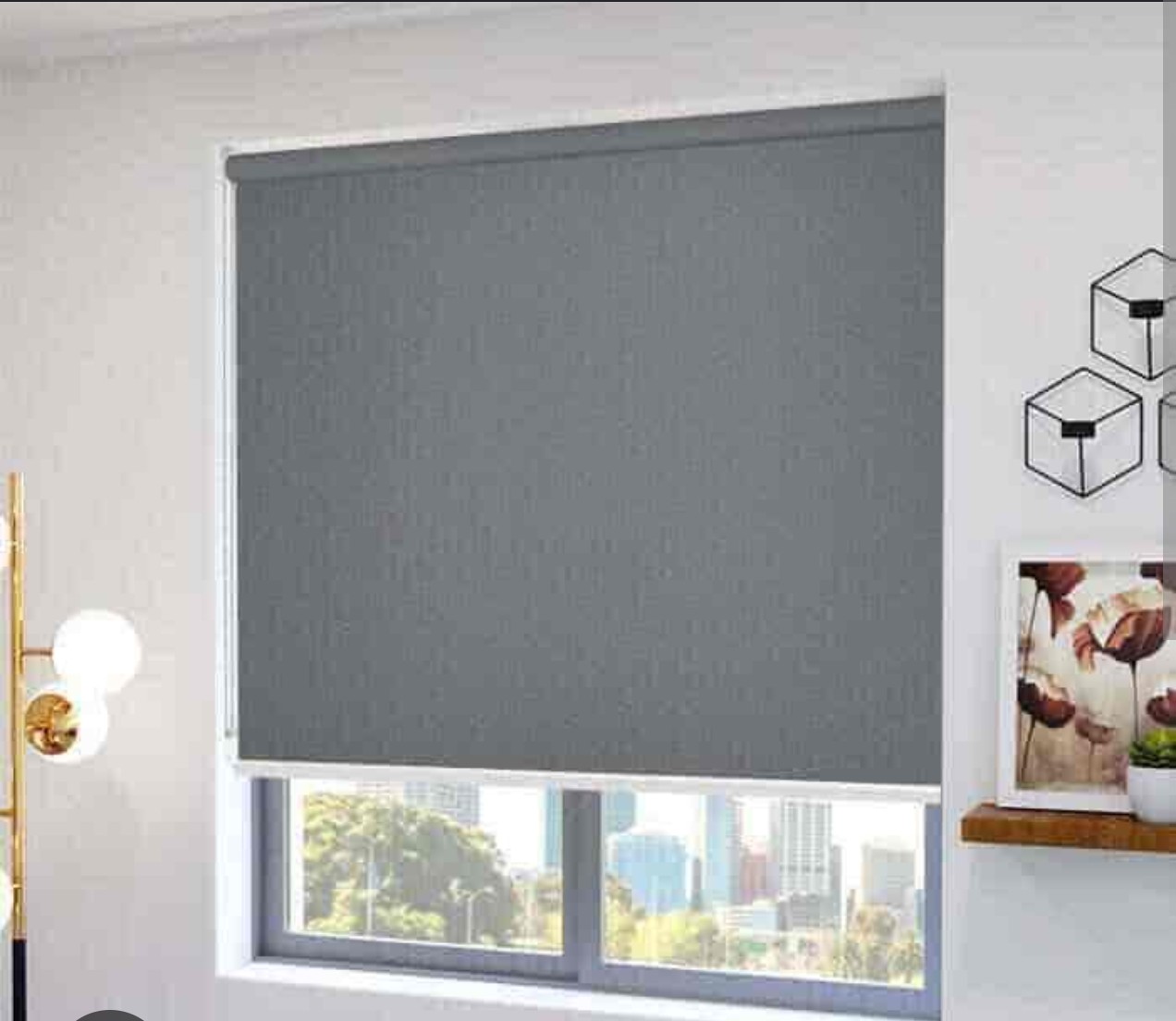
Sunscreen Blinds
Precision sun control that blocks glare and heat while keeping your view intact.
View product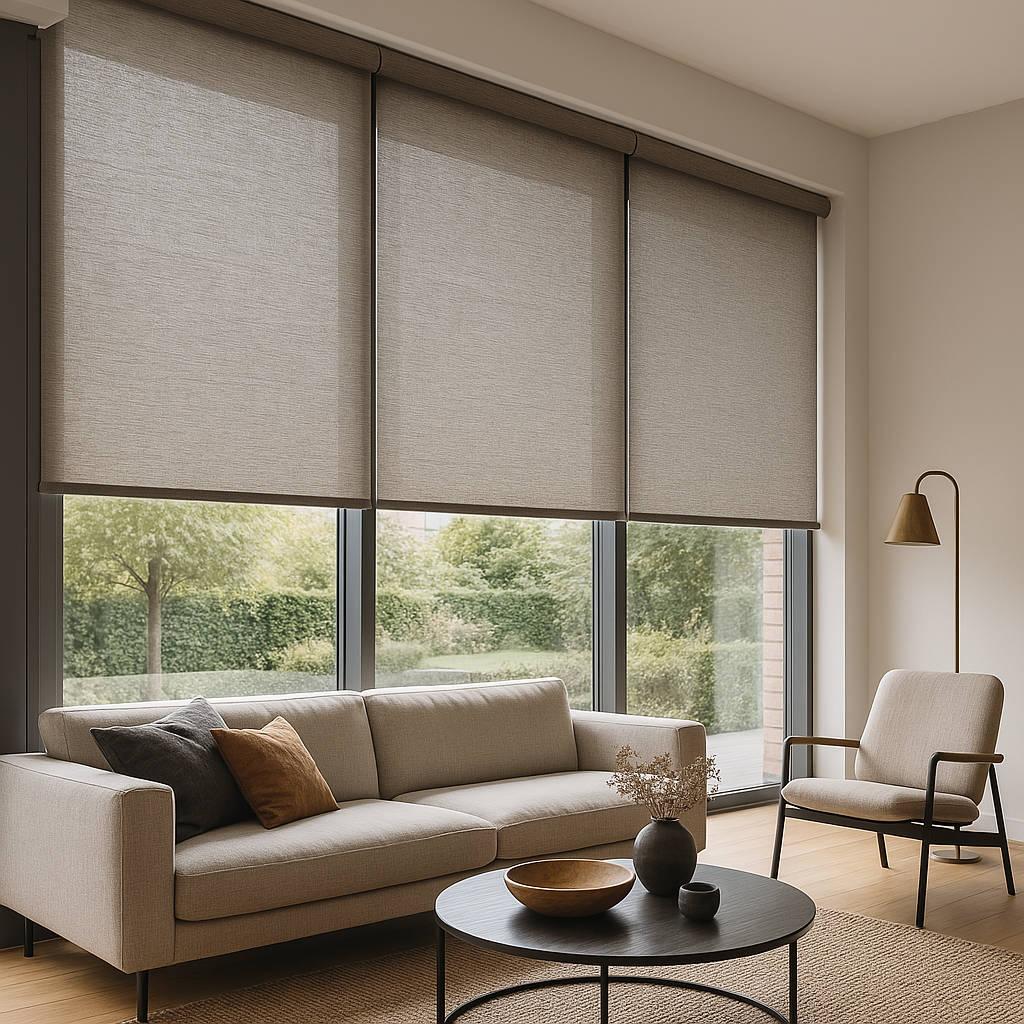
Roller Blinds
Clean lines, precise light control and effortless operation — the most versatile window treatment for modern Indian homes.
View product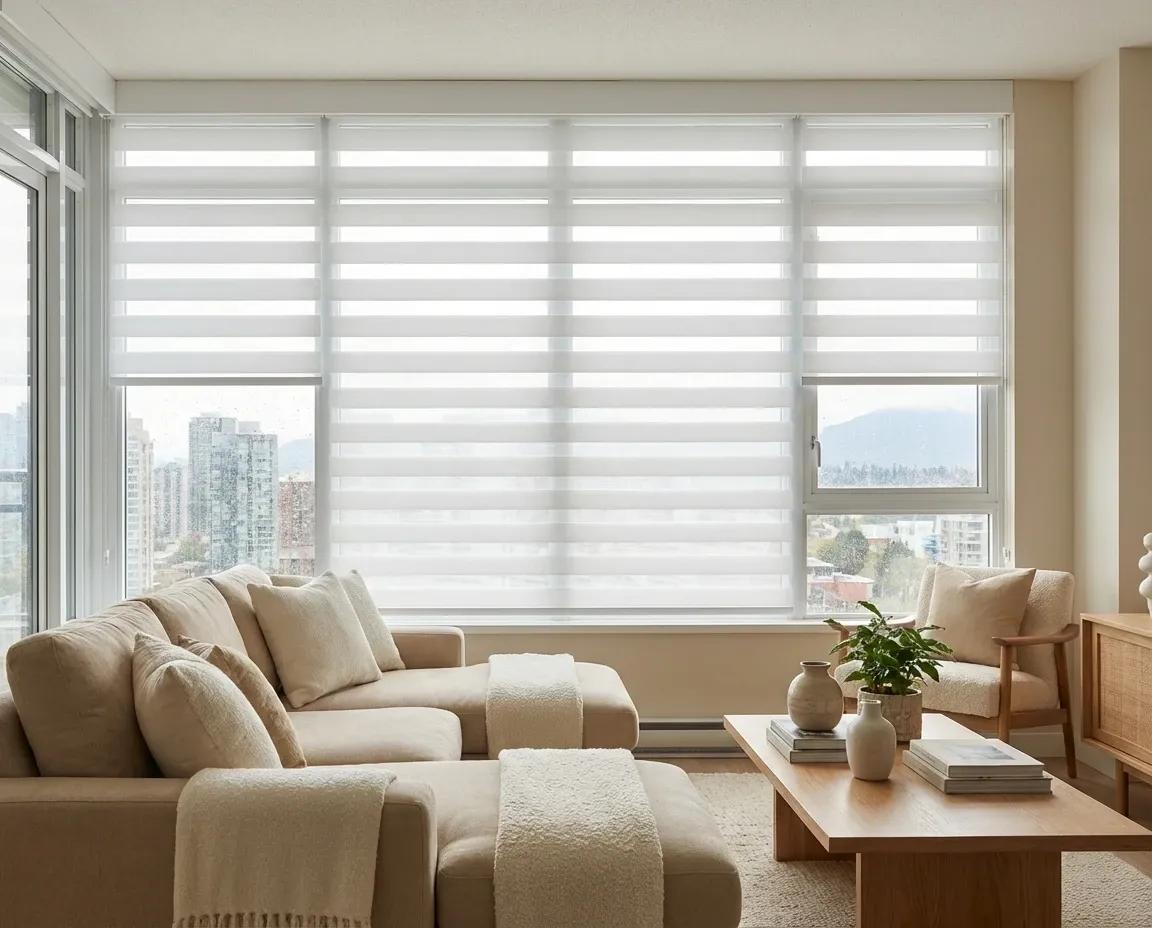
Zebra Blinds
Two fabrics in one blind — slide between sheer daylight and soft privacy in seconds.
View product