
Buying Guide
What Is Openness Factor? Sunscreen Fabric Explained
Openness factor decoded — how solar screen fabric weave determines light, view, heat and privacy, and why it is not the same as light transmittance.
Quick Answer
Openness factor is the percentage of open area in a sunscreen fabric's weave — the proportion of surface that is literally holes between yarns. A 3% fabric has 3% open space and 97% yarn. It controls how much light, view and heat pass through, but it is not the same as light transmittance (Tvis): yarn colour, coating and texture change actual performance at the same openness. For most Delhi NCR homes, 3% openness is the residential standard.
Openness factor is the single most important specification in sunscreen blind fabric — yet it is the most misunderstood. It is not "how dark the fabric looks", not "how much light comes through" and definitely not the same as the technical light-transmittance ratings used in glazing standards. It is a simple, measurable property of the weave itself.
When you order custom sunscreen roller blinds, openness factor is the number that decides your daily experience: how much glare hits your TV screen, how clearly you see the street outside, how much afternoon heat reaches your room and how private your interior stays after dark. Get it wrong and the blind underperforms; get it right and it disappears into daily life.
This guide explains what openness factor actually is, how it differs from other light-performance metrics, and how to translate it into a real buying decision for your windows in Delhi NCR.
The Technical Definition
Openness factor (OF) is the percentage of open area in a woven fabric — the proportion of the surface that is literally holes between yarns, expressed as a percentage. A fabric with 3% openness has 3% of its surface area as open space; the remaining 97% is yarn.
It is measured optically — light passes through the open spaces while the yarns block or scatter it. Because the measurement is about physical open area, two fabrics with the same openness factor can still perform differently: yarn thickness, colour, coating and weave pattern all change how much light and heat actually gets through. This is why openness factor is a starting point for specification, not the whole performance story.
-
Typical range
Residential sunscreen fabrics run roughly 1% to 10% openness
-
What it measures
Physical open area in the weave — not light transmission, not heat block
-
What it does not measure
UV block, heat rejection, colour effect or yarn quality
-
Industry context
Standard metric for solar screen fabrics; glazing standards use different measures
Openness Factor vs Visible Light Transmittance (Tvis)
This distinction matters more than most buyers realise. Openness factor measures open area in the weave. Visible Light Transmittance (Tvis) measures how much visible light actually passes through the fabric and reaches your room. They correlate — tighter weaves transmit less light — but they are not interchangeable.
A dark-coloured 3% fabric and a white 3% fabric have identical openness factors but very different Tvis values: the dark fabric absorbs more light at the yarn surface, so less visible light and less heat reach the room. Coatings, yarn texture and weave geometry shift the relationship further. When comparing fabrics for solar performance, ask for both the openness factor and the fabric's light/solar performance data — not openness alone.
-
Openness factor
Physical % of open area in the weave — a construction property
-
Tvis (visible light transmittance)
How much visible light actually passes through — a performance result
-
Why they differ
Yarn colour, coating and texture change how much light survives the weave
-
Practical rule
Same openness + darker colour = less light and less heat inside
How the Weave Actually Works
Solar screen fabric is a precision weave — yarns are interlaced at controlled spacing to produce a repeatable percentage of open area. The yarn itself is usually PVC-coated polyester or fibreglass: durable enough for years of sun exposure, stable enough to hold the weave geometry, and available in colours that affect solar performance.
When sunlight hits the fabric, three things happen at once: a portion passes through the open spaces as diffused light, a portion is absorbed by the yarns (which is why darker colours run warmer at the fabric surface and block more downstream heat), and a portion is reflected. The openness factor controls the first channel — the open area — while colour and coating tune the other two.
-
Yarn material
PVC-coated polyester or fibreglass — chosen for UV stability and durability
-
Weave geometry
Yarn spacing and thickness set the openness percentage
-
Colour effect
Dark colours absorb and block more solar energy at the same openness
-
Coating
Surface treatments can add UV resistance and stiffness
What Each Openness Level Means in Practice
Residential openness ratings cluster around a few standard values, and each maps to a different real-world outcome. The right choice depends on your window's sun exposure, your view expectations and your privacy needs — especially after dark, when the view direction reverses and your interior becomes the visible side.
As a working guide for Delhi NCR homes: 1% suits extreme sun and maximum privacy, 3% is the versatile residential standard for sun-facing windows, 5% suits north-facing or lightly-sunned rooms where view clarity matters, and 10% is for view-first applications with minimal solar load.
-
1% openness
Near-total shading — view softens to shapes; maximum heat and glare control
-
3% openness
Strong solar control with a recognisable view — the residential default
-
5% openness
Clearer view, moderate shading — lightly-sunned or north-facing windows
-
10% openness
View-first — subtle shading; only where direct sun is minimal
Choosing Openness for Your Window
Start with sun exposure. West and south-facing windows in Delhi NCR take the hardest afternoon sun — choose 1–3% openness, darker colour. East-facing windows get harsh morning sun — 3% works well. North-facing windows receive diffuse light only — 5% preserves view without needing heavy shading.
Then layer in privacy. Daytime privacy is good at all openness factors, but evening privacy — when your lights are on and the outside is dark — improves as openness drops. If the window faces a neighbouring building or street you want screened after dark, stay at 3% or tighter. Finally, factor view importance: if the window frames a garden or skyline you actually want to see, do not over-tighten the weave.
Openness factor is set at order time and cannot be changed later — unlike blind colour or operation, which some suppliers allow swapping. Measure twice, choose deliberately, and confirm the spec in writing on your quotation.
Where This Fits in Your Blind Specification
Openness factor applies to sunscreen fabrics specifically — sheer, light-filtering, dimout and blackout fabrics are specified differently (by opacity tier rather than openness). When you order custom roller blinds, the fabric category and its key parameter work together: a 3% sunscreen fabric on a south-facing window, a blackout fabric on a bedroom window, a sheer on a north-facing study.
Our team confirms the right openness factor during the free measurement visit — we assess each window's orientation, sun hours and your view/privacy priorities, then recommend the fabric spec that matches. You see and feel fabric samples before we fabricate.
Frequently Asked Questions
What is a good openness factor for blinds?
For most Delhi NCR homes, 3% openness is the sweet spot — strong glare and heat control with a preserved outward view. Choose 1% for extreme sun or maximum privacy, 5% for north-facing or lightly-sunned windows, and reserve 10% for view-first applications with minimal direct sun.
Is lower openness factor better?
Lower openness means more shading, more heat block and better privacy — but a softer, less detailed view. "Better" depends on the window: a west-facing bedroom window benefits from 1–3%, while a north-facing window with a garden view may be better at 5%.
What is the difference between openness factor and light transmission?
Openness factor measures the physical percentage of open area in the weave. Light transmission (Tvis) measures how much visible light actually reaches your room. Same openness can give different Tvis depending on yarn colour, coating and texture — dark fabrics transmit less light at the same openness.
Does openness factor affect privacy at night?
Yes — significantly. During the day, all sunscreen fabrics obscure interior views from outside. After dark, when your lights are on, lower openness factors (1–3%) maintain much better privacy because less of your interior is visible through the open weave.
Can I change openness factor after installation?
No — openness factor is a property of the fabric itself, fixed when the blind is manufactured. Unlike colour or operation upgrades, changing openness means replacing the fabric or the entire blind. Confirm your spec carefully at order time.
Does darker colour change openness factor?
No — colour does not change the physical open area. But darker colours absorb more solar energy at the yarn surface, which means less light and less heat reach your room at the same openness factor. For hot west-facing windows, dark colour + low openness is the strongest combination.
What openness factor blocks the most heat?
The lowest available — typically 1%. But colour matters as much as openness: a dark 3% fabric often outperforms a white 1% fabric on heat because dark yarns absorb solar energy before it enters the room. For maximum heat block, combine low openness with a dark colour.
Do all roller blind fabrics have openness factor?
No — openness factor applies specifically to sunscreen/solar screen fabrics. Sheer, light-filtering, dimout and blackout fabrics are classified by opacity tier instead. If a supplier quotes openness factor for a blackout fabric, ask for clarification — it is likely the wrong metric.
Written by
Ajay Arora — Founder, LA KREO
Ajay Arora is the founder of LA KREO, a Delhi NCR-based interior products company. With hands-on experience across blinds, flooring and wall solutions, he oversees product selection, fabrication and installation for residential and commercial clients.
- Founder & Director, LA KREO
- Interior products & installation specialist
- Delhi NCR service area — Delhi, Gurgaon, Noida, Greater Noida, Ghaziabad
Products Mentioned in This Guide
Explore the blinds and interior solutions referenced above — custom-made to your measurements across Delhi NCR.
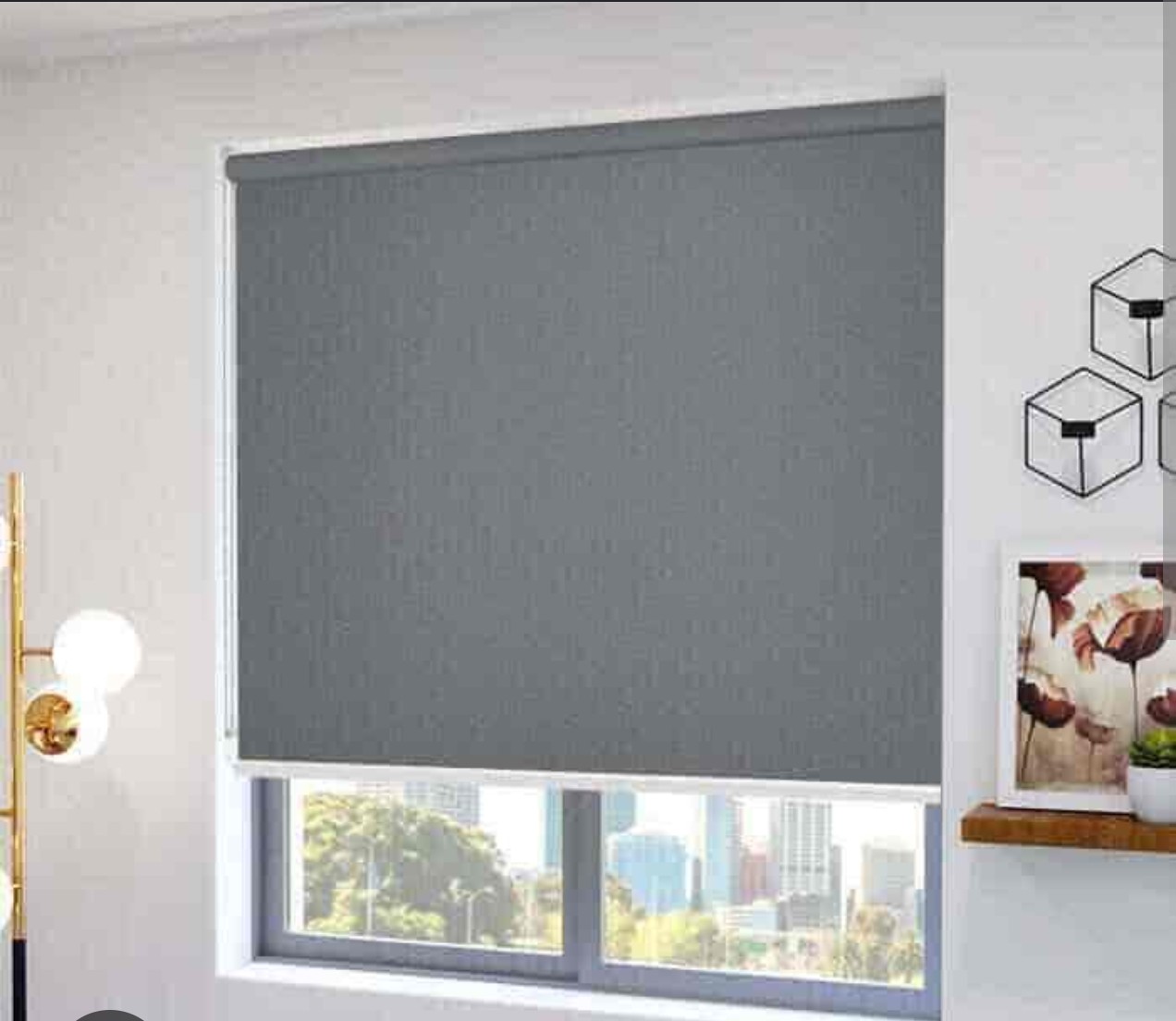
Sunscreen Blinds
Precision sun control that blocks glare and heat while keeping your view intact.
View product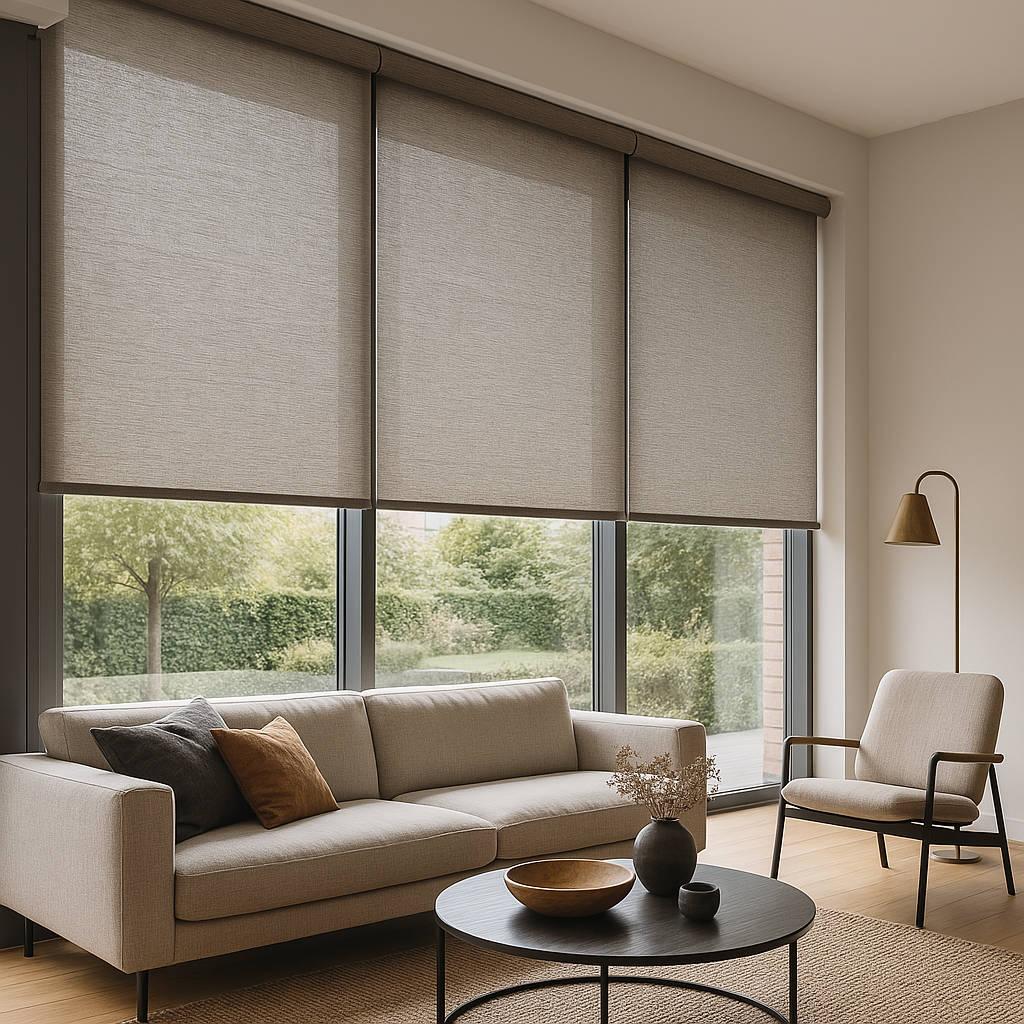
Roller Blinds
Clean lines, precise light control and effortless operation — the most versatile window treatment for modern Indian homes.
View product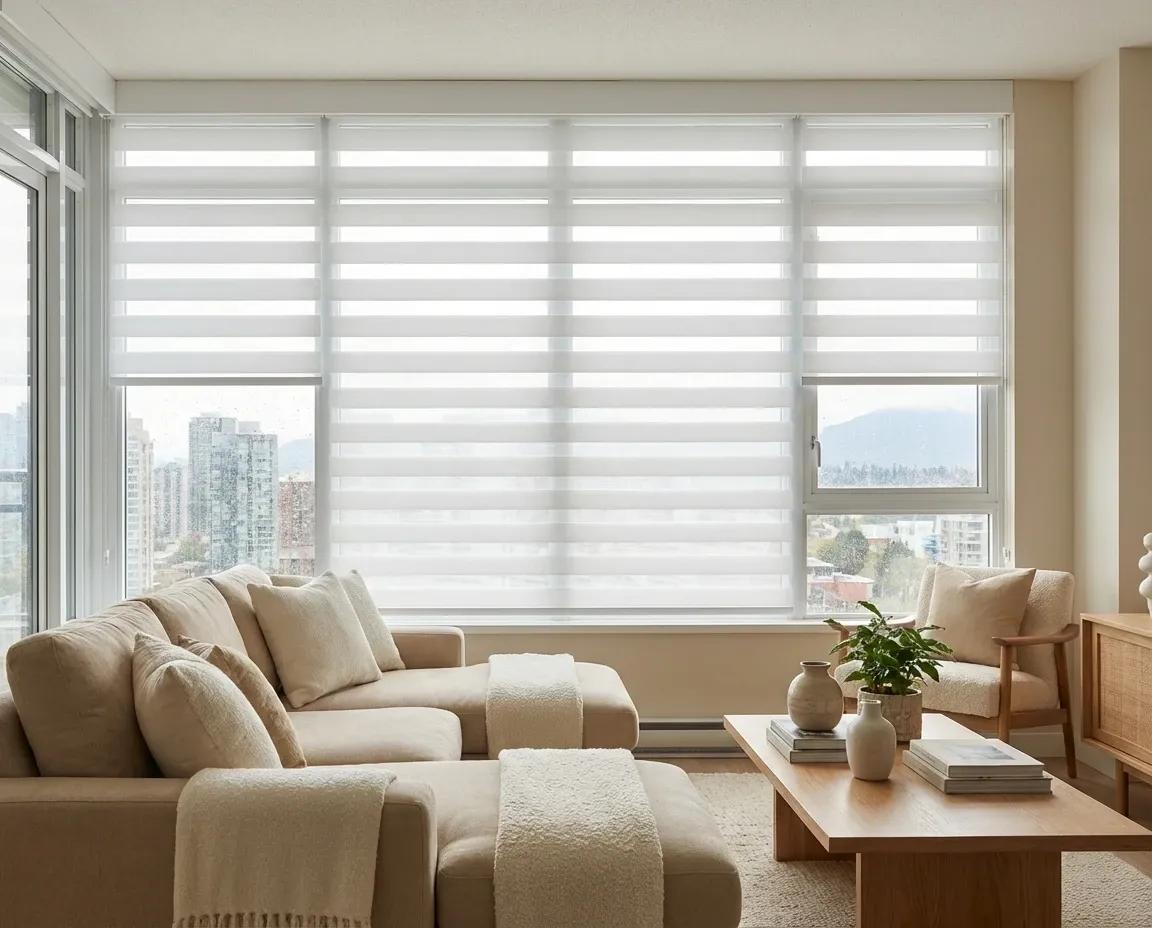
Zebra Blinds
Two fabrics in one blind — slide between sheer daylight and soft privacy in seconds.
View product
Motorized Blinds
Push-button convenience — raise, lower and tilt blinds without lifting a finger.
View product